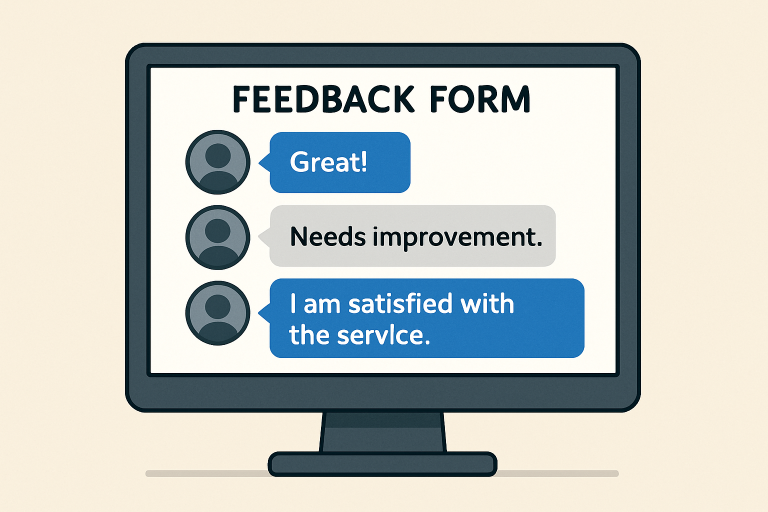
In a rapidly evolving job market, companies must continually refine their approach to engaging, communicating, and attracting potential hires. Understanding the candidate’s viewpoint is not simply a courtesy—it’s an essential strategy for success. Candidate surveys offer direct insight into the application and interview process, enabling employers to bridge the gap between their intentions and the candidate’s experience.
Candidate feedback has the power to transform stagnant recruitment pipelines into dynamic, people-driven frameworks. These insights inform better hiring practices and strengthen employer branding, distinguishing companies in a crowded field. When organizations tap into candidate sentiment, they can identify inefficiencies, improve communication, and create more appealing candidate experiences that resonate beyond just job seekers.
Feedback mechanisms are gaining increased traction, not just for hiring improvements but also for supporting diversity, equity, and inclusion goals. As more organizations prioritize genuine engagement, robust feedback methods are becoming standard practice for those aiming to attract top-tier talent.
One underappreciated benefit of seeking candidate input is that it fosters a cycle of continuous learning. Companies gain fresh perspectives that drive innovation in recruitment efforts and offer direct evidence to support or challenge assumptions about the effectiveness of processes.
The Importance Of Candidate Feedback
Feedback from job applicants—regardless of whether they were hired—offers invaluable lessons for employers. Gathering direct input uncovers blind spots and reveals opportunities for operational improvements, from the initial job application to the final offer (or rejection) stages. Companies that regularly collect and act on feedback often experience higher candidate satisfaction, increased retention rates, and a better employer reputation. Timely surveys provide real-time data that tells HR teams exactly where candidates drop out or feel disrespected, informing quick, targeted adjustments to processes.
Designing Effective Candidate Feedback Surveys
The structure and delivery of your survey will shape the quality and depth of responses. Effective feedback surveys are concise—typically requiring no more than five to ten minutes to complete—and should offer a mix of quantitative and qualitative questions. Ask about overall satisfaction, clarity of communication, perceived fairness, and opportunities for improvement. It is crucial to assure respondents that their answers are anonymous to encourage honest, valuable feedback. Additionally, send surveys promptly after key hiring milestones, such as after the interview or following a hiring decision, so impressions remain fresh and accurate.
Analyzing And Acting On Feedback
Collecting data means little if it is not analyzed and put into action. Successful organizations regularly review survey results, looking for trends in candidate complaints or compliments. Actionable items might include simplifying application workflows, updating role descriptions, or better training for hiring managers on providing next-step clarity. Transparent communication about changes resulting from feedback can encourage future candidates to contribute their own insights while building trust in the organization’s willingness to learn and adapt.
Leveraging Technology In Feedback Collection
Technological innovations, such as virtual chatbots and automated survey tools, are transforming the feedback process. These solutions provide candidates with real-time surveys at crucial application touchpoints, eliminating friction and making it easier to gather responses and identify key trends sooner. Additionally, analytics platforms can automate the process of aggregating and interpreting data, freeing up HR staff to focus on strategic improvements rather than manual analysis. Major publications, such as Forbes, have extensively discussed these advancements and their transformative role in modern recruitment.
Enhancing Employer Branding Through Feedback
Candidate feedback directly fuels a stronger employer brand. When applicants feel heard and respected throughout their journey—even if they are not ultimately hired—they are more likely to recommend the organization to peers and revisit open roles in the future. Public reviews on platforms like Glassdoor and LinkedIn amplify this effect, turning individual positive experiences into a powerful recruitment magnet. Transparent responses to constructive criticism and a reputation for valuing input can ultimately result in a broader and more enthusiastic candidate pool. For more on how candidate engagement influences employer reputation, Forbes offers additional insights on enhancing the candidate experience.
Common Pitfalls To Avoid
- Ignoring Feedback:One of the most damaging mistakes is soliciting feedback without taking subsequent action. Candidates left feeling dismissed are likely to share their disappointment, potentially damaging the employer brand and reducing future application rates.
- Irrelevant Questions:Avoid repetition, leading, or vague questions, and always respect candidates’ time. Only ask what is actionable, and review survey language to ensure it is both concise and relevant.
Conclusion
Candidate feedback surveys are a crucial component of a robust, adaptable recruitment strategy, providing organizations with valuable insights into their hiring processes. When implemented effectively, these surveys offer actionable data that can enhance the candidate experience, strengthen employer branding, and improve the organization’s ability to attract and retain top talent in a highly competitive job market. By listening to candidates’ perspectives, recruiters can identify gaps, streamline processes, and make informed adjustments that benefit future applicants. Establishing consistent feedback mechanisms and demonstrating responsiveness to the input received fosters trust and engagement. Over time, this creates a positive feedback loop—each cohort of candidates experiences a more refined, efficient, and welcoming recruitment journey shaped by the insights of those who came before.
Key Takeaways
- Effective candidate feedback surveys provide actionable data for optimizing recruitment strategies.
- Improved candidate experience leads to stronger employer branding and attracts high-quality applicants.
- Best practices in both survey design and follow-up maximize the impact of candidate input.
Hungry for more? Head over to my website for fresh articles.
Disclaimer
The information provided in this article is for general informational and educational purposes only. It reflects common practices and industry insights related to recruitment, candidate feedback, and employer branding. This content should not be interpreted as professional HR, legal, or compliance advice. Hiring processes vary across industries, regions, and organizational structures, and readers should consult qualified professionals before implementing any strategies discussed. While efforts have been made to ensure accuracy, neither the author nor the publisher is responsible for any actions, decisions, or outcomes resulting from the use of this information.
