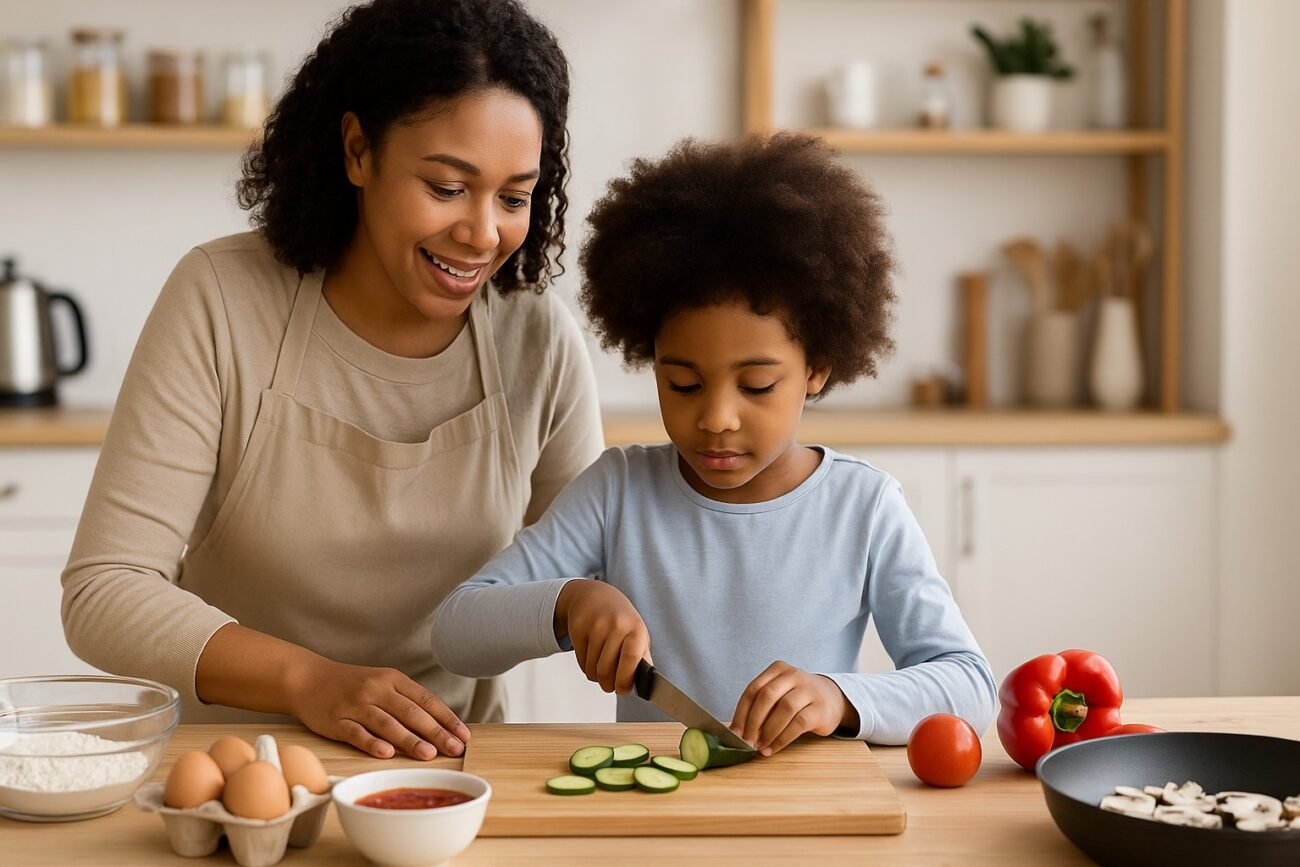
“Cooking with kya age” is a simple question many parents ask when they want to know the right time for kids to start cooking. Parents want to understand how young a child can be when they touch basic kitchen tasks. Parents also want clear age guidelines that feel safe and easy to follow. Kids show interest in food, tools, colors, and mixing, so parents try to see if it is the right moment to guide them.
Cooking helps kids learn new skills. Kids grow stronger hands, better focus, and better food habits. Kids also feel happy when they help in the kitchen. Parents only need clear steps that match the age of the child. A small child needs simple tasks. An older child can try a little more. Cooking with kya age becomes a question about safety, ability, and comfort.
Parents want to protect kids from sharp tools, hot pots, and open flames. Parents also want to build confidence. A slow pace helps kids learn safe moves. Age makes a big difference in what a child can handle. Cooking with kya age gives parents a path that feels safe, steady, and right for the child.
What Is The Right Age For Kids To Start Cooking?
Most experts agree that kids can begin simple cooking tasks around age two or three. Kids at this age can hold soft items, mix light bowls, and help with small steps that feel safe. This age is not a rule. Every child grows in a different way. Some kids show strong interest early. Some kids need more time. Cooking with kya age depends on how the child responds, not only the number.
Readiness comes from the child’s daily behavior. A child who can focus for short moments, follow light steps, and listen with care can start easy tasks. Motor skills also matter. A child who can grip a spoon, pour water with slow hands, or move food from one bowl to another may feel ready for simple kitchen work. Comfort plays a big role. A child who shows calm hands and relaxed behavior near kitchen tools often learns faster.
Parents can watch small signs. Does the child handle toys with control? Does the child stay calm near new tasks? Does the child enjoy helping with small actions? These signs show readiness for cooking. Cooking with kya age grows clear when parents match the child’s skill with the right task.
Benefits Of Teaching Kids To Cook (At The Right Age)
Cooking with kya age helps kids grow strong confidence. Kids feel proud when they finish small steps. Kids also gain a sense of independence because they handle tasks with their own hands. Responsibility grows as kids learn safe handling of tools, clean work areas, and steady actions. Each small task builds trust within the child.
Cooking supports early math ideas through counting, measuring, and portion awareness. Kids also explore creativity through colors, textures, and taste choices. Nutrition awareness grows as kids learn how food shapes health. Kids start to understand what helps their body feel strong.
Cooking moments bring parents and kids closer. Kids talk more during simple tasks. Parents share calm guidance, and the kitchen turns into a warm learning space. Strong bonding forms through shared focus and teamwork. Simple tasks help both sides grow better communication.
Age-Wise Cooking Tasks: What Kids Can Safely Do
Cooking with kya age becomes clear when parents match tasks with the child’s stage. Each age group handles different levels. Kids learn safely when tasks stay within skill limits.
Ages 2 to 3
Kids handle simple pouring, light washing of fruits, and slow stirring of soft mixtures. Small bowls and soft food help kids feel safe. Kids explore texture and movement through tiny steps.
Ages 4 to 6
Kids spread soft items, measure ingredients, tear lettuce, and mix batters. Kids enjoy hands-on steps and learn control through steady movement. Simple tasks help kids grow focus.
Ages 7 to 9
Kids use butter knives, crack eggs, and follow light stove reminders. No solo cooking for this age. Kids learn slow movement with safe tools. Kids understand better risk awareness during tasks.
Ages 10 to 12
Kids handle basic stovetop cooking with supervision. Kids prep baking trays and cut food with safer tools. Kids at this stage show better judgment and stronger control.
Ages 13+
Kids cook with independence while following full kitchen rules. Kids show strong safety awareness and clear understanding of heat, tools, and timing.
Cooking with kya age becomes smoother when parents follow these age steps. Kids learn in a safe flow that matches skill, comfort, and growth.
Essential Kitchen Safety Rules Based On Age
Cooking with kya age needs clear safety steps for each stage. Kids learn safe habits through calm guidance and steady practice. Heat awareness sits at the top of all rules. Kids must know that stoves, pans, and hot steam can harm skin. Knife handling basics also matter. Kids hold knives with slow hands and firm grip. Hygiene rules guide kids toward clean hands, clean surfaces, and clean tools.
Younger kids avoid boiling pots, hot oil, and ovens. Kids in early stages also avoid sharp knives and heavy cookware. Simple tools keep kids safe while they learn early skills. Parents stay close and hold control of all heat and sharp items.
Teens gain stronger judgment and better timing. Teens can practice independent safety habits. Teens check heat levels, hold knives with care, and follow kitchen rules without reminders. Cooking with kya age grows safer as kids move into older stages because their hands, mind, and focus grow stronger.
How Parents Can Support Kids Learning To Cook
Parents guide cooking with kya age by giving kids simple starter recipes. Easy snacks, soft foods, light mixing steps, and small bowls help kids feel calm. Kids learn faster when tasks stay light and clear. Parents show each skill with slow hands. Kids watch the move. Kids then try the move with support. Kids later handle the task alone with steady control. This slow flow helps kids grow trust in their own hands.
Creativity helps kids enjoy cooking. Kids pick colors, shapes, and taste blends. Parents allow small choices while keeping safety in mind. Kids stay safe when tools stay soft and heat stays under parent control. Confidence grows when kids feel safe. Parents avoid pressure. Parents praise small wins. Kids learn with joy when the space feels kind and calm.
Mistakes Parents Should Avoid When Cooking With Kids
Cooking with kya age feels easy when parents avoid common mistakes. One mistake comes from giving tasks that sit far above the child’s stage. Hard tasks bring stress. Kids lose interest. Kids also feel unsafe when tools or steps demand skill that their hands cannot manage. Clear age limits keep kids calm.
Rushing creates trouble. Kids need slow movement and steady guidance. Leaving kids without watchful eyes creates risk. Hot items, sharp edges, loud sounds, and spill areas can harm kids when adults step away. Kids stay safe when parents stay close.
Too many instructions confuse kids. Kids learn best through short steps that match their focus. One task at a time helps kids understand the flow. Kids also need freedom from pressure. Parents avoid strict rules or demands for perfect food. Cooking stays fun when mistakes feel normal. Kids grow skill through practice, not perfection.
Recommended Easy Recipes For Different Age Groups
Cooking with kya age becomes smoother when recipes match the child’s stage. Toddlers enjoy recipes with no heat. Soft fruit bowls, yogurt cups, mashed banana mixes, and tiny snack plates help toddlers explore texture without risk. Kids enjoy simple shapes and colors while they learn calm hand control.
Elementary-age kids enjoy light meals like sandwiches, wraps, and small baking steps. Kids spread soft items, layer simple fillings, and shape dough with gentle hands. Baking trays stay under parent control. Kids enjoy tasks that feel creative without heat.
Teens handle pasta, stir-fry, breakfast eggs, and meal prep. Teens show stronger control with knives, timing, and heat. Teens enjoy full dish creation because skill and confidence sit at a higher stage.
Recipe complexity grows with age and comfort. Kids move from soft food to light mixing, then safe knives, and later full dishes. Cooking with kya age becomes clear when parents raise difficulty only when the child shows relaxed hands, steady focus, and confidence.
Conclusion
Cooking with kya age helps parents see the right moment for kids to start kitchen tasks. Kids show readiness through calm hands, clear focus, and steady behavior. Safety stays the main rule for all ages. Kids learn simple steps first, then harder tasks when skill grows. Age guides parents, yet each child moves at a different speed. Parents watch comfort, attention, and confidence to find the right stage.
Cooking stays a long journey, not a race. Kids grow skill through patience, joy, and practice. Parents enjoy each small moment with kids. Kids gain confidence, healthy habits, and warm family bonding. Cooking with kya age becomes a strong learning path when kids move forward with trust, steady steps, and support.
Hungry for more? Head over to my website for fresh articles.
Disclaimer
This content shares general guidance about cooking with kids. Every child grows at a different pace, so parents use their own judgment while teaching any kitchen task. All cooking steps for kids need close supervision from an adult. This article does not replace advice from child safety experts. Parents follow all safety rules based on their home setup and comfort.
