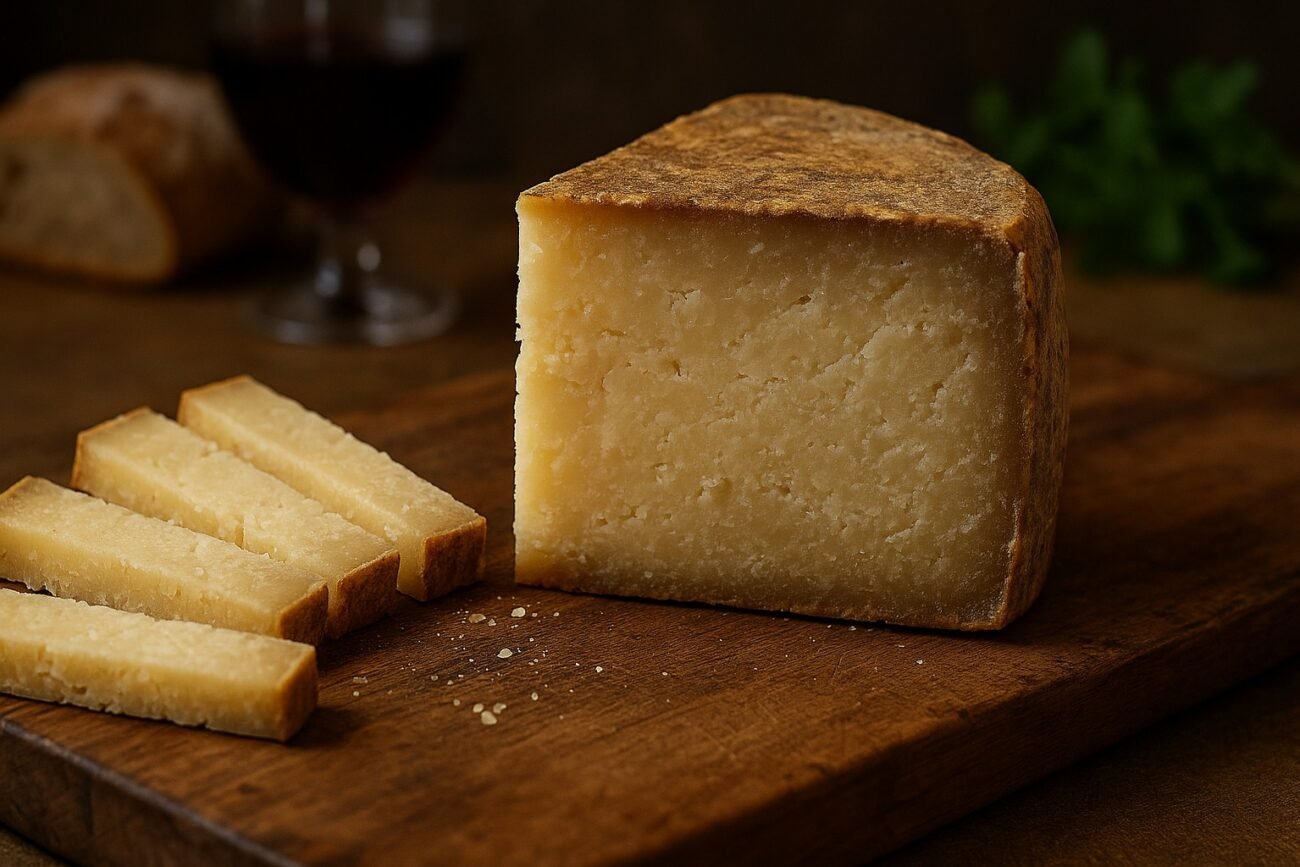
Grouse cheese has a special charm. The cheese feels rich and earthy, with a taste that stands out in a simple way. Many people look for new cheese types that feel real, natural and full of character. Grouse cheese gives that feeling. The cheese comes from small makers who focus on flavor, not big factory work. This makes every block feel unique and full of care.
This article gives clear details about grouse cheese, its story, how it is made, how it tastes and how you can enjoy it at home. You will get simple and helpful points that guide you in a friendly way, so you understand this cheese without any confusion.
What Exactly Is Grouse Cheese?
Grouse cheese is a handcrafted cheese made in small batches. The cheese has a firm body, deep flavor and a rustic feel. Makers use milk from cows, goats or sheep, then age the cheese to bring out a strong, earthy taste. The cheese sits in a simple, natural style that reminds people of old countryside food traditions.
The name “grouse cheese” can confuse people at first. It has nothing to do with the grouse bird or bird milk. The word “grouse” points to a rural, game-style vibe. It gives a picture of forests, wild land and bold flavors. The name helps describe the strength and character of the cheese, not the source of the milk.
Grouse cheese is different from common cheeses like cheddar, mozzarella or gouda. Those cheeses feel smooth and mild. Grouse cheese feels more rugged. The flavor is stronger, richer and more earthy. It gives a sense of old-style dairy craft that standard supermarket cheeses do not carry.
Origin & Legacy Of Grouse Cheese
Grouse cheese comes from small rural dairies found in old countryside regions across Europe and North America. These areas have long traditions of simple living, natural farming and handcrafted food. Local makers use milk from nearby farms and follow methods passed down through families. The cheese often ages in cool cellars or stone rooms that help build its deep flavor.
The legacy of grouse cheese sits in its artisan roots. Makers work in small batches, shaping each wheel with care instead of machines. The cheese links strongly to wild game traditions that were common in forest and mountain areas. People in these regions enjoyed bold flavors that matched the rugged land around them. Grouse cheese kept that spirit alive, giving a taste that feels honest, natural and full of history.
How Grouse Cheese Is Made
Grouse cheese follows a careful, slow method. Makers focus on flavor, not speed. Here is a simple look at how it usually comes to life.
Basic steps in making grouse cheese
- Milk selection
Makers pick rich milk from cows, goats or sheep. The milk often comes from local farms with grass-fed animals. - Curdling
The milk warms in a large pot. A starter and rennet go in. The milk turns into a soft jelly-like curd. - Cutting the curd
The curd is cut into small pieces with special knives. This helps release whey, the liquid part. - Draining
The curds rest while the whey drains off. Less whey means a firmer cheese later. - Pressing
Curds go into molds. Weights or presses push out more liquid. This step shapes the cheese wheel or block. - Salting
The cheese is rubbed with salt or placed in a salt brine. Salt adds taste and helps protect the cheese. - Aging
Grouse cheese then rests for weeks or months. It stays in cool, moist rooms until the flavor grows deep and full.
What Makes The Grouse Cheese Method Special
Many makers use raw or lightly pasteurized milk to keep more natural flavor in the cheese. Aging often happens in stone cellars, caves or simple cool rooms with natural air flow. Time plays a big part. Grouse cheese usually ages longer than many common cheeses, so the taste becomes bold and earthy.
Production stays small. Most grouse cheese comes from artisan makers who work in limited batches. They watch each wheel, turn it by hand and check the rind and smell. This gives grouse cheese a personal touch that mass-produced cheese rarely has.
Taste, Texture & Sensory Profile Of Grouse Cheese
Grouse cheese has a bold taste that feels natural and earthy. The flavor carries a light gamey note, mixed with a nutty and woody tone. Some pieces remind you of mushrooms or damp forest soil in a pleasant way. The taste stays steady but grows deeper as the cheese sits longer. Each bite gives a strong and clear flavor that feels rustic and warm.
The texture sits between semi-hard and hard. The centre can feel crumbly and dry, while the part near the rind stays a bit creamy. This mix gives the cheese a nice contrast. You get firmness, but also a smooth touch at the edges. It breaks cleanly and holds shape well on a board or slice.
Age changes the cheese in a strong way. Young grouse cheese stays mild with a softer body. As it ages, the flavor turns sharper and richer. The texture becomes firmer, and the earthy notes grow stronger. Older wheels show more character, with deeper color and a more complex scent. The ageing process is one of the reasons grouse cheese feels special and full of personality.
Nutritional And Artisan Value Of Grouse Cheese
Grouse cheese gives good nutrition in a simple and natural form. The cheese holds high-quality protein that helps with strength and daily energy. It also offers a solid amount of calcium that supports bones and teeth. When the cheese is made from raw milk, it may carry natural probiotics that can support gut health. The nutrients stay balanced and dense because the cheese goes through slow, careful aging.
The artisan value of grouse cheese is just as important as its nutrition. Makers work in small batches and follow old methods that bring out strong, honest flavor. Each wheel feels unique because every step is done by hand. This type of craft keeps the taste close to old-world dairy traditions that many modern cheeses no longer show. People who enjoy deep, rustic flavors often see grouse cheese as a special find.
There are a few things to keep in mind. Grouse cheese can cost more because production is limited and the work takes time. It may also be harder to find in regular stores because it is not made in huge numbers. The cheese is rich, so a small serving usually gives plenty of flavor. These points help you understand why grouse cheese feels rare and valuable.
Top Culinary Uses And Pairings For Grouse Cheese
Grouse cheese works well in many dishes because of its strong and earthy flavor. You can place it on a charcuterie or cheese board where it stands out easily. The cheese melts nicely over game meats like venison or duck, giving them a deep and rustic taste. It also works in a gourmet grilled cheese, adding a rich layer that makes the sandwich feel special. Many people also grate it into baked dishes, pasta or risotto for extra depth and warmth.
Here are simple pairing ideas that match its bold taste:
- Wines: Cabernet and Syrah go well with the earthy notes
- Beers: Porter or IPA bring balance to the strong flavor
- Fruits: Figs, pears and apples add a sweet contrast
- Nuts: Walnuts and almonds give a clean crunch
- Bread: Rye or sourdough support the cheese without overpowering it
For the best taste, let the cheese sit at room temperature before serving. This softens the texture and opens up the aroma. Slice it thin, so the flavor spreads smoothly through each bite. Try to keep the sides mild, so the cheese stays the main focus on the plate.
Buying And Storing Grouse Cheese: What You Need To Know
Grouse cheese is not always easy to find, but a few places usually keep it. Artisan cheese shops often carry small-batch wheels from trusted makers. Online gourmet stores also list limited-stock options, and some local farm dairies sell it directly to customers. These sources focus on quality, so you get cheese that stays close to its true character.
When buying grouse cheese, a few checks help you pick the right piece:
- Look at the maker’s name and reputation
- Check if the milk is raw or pasteurized
- Notice the age of the cheese
- Make sure the rind looks clean and natural
- Smell the cheese for a strong but pleasant scent
- The color and texture should feel firm and fresh
Good storage keeps the flavor safe. Place the cheese in a cool, humid spot like a cheese drawer or a special box for dairy. Wrap it in breathable paper so the cheese can stay fresh without drying out. Once you cut into it, try to use it within the suggested time on the label or within a week or two for best taste.
Before serving, let the cheese rest at room temperature for about thirty minutes. This warms the body of the cheese and brings out a fuller flavor that feels rich and smooth in every bite.
Conclusion
Grouse cheese carries a rich and earthy taste that feels true to old dairy craft. The cheese comes from small makers who focus on slow, careful work, which gives it a bold flavor and a strong rustic touch. Its texture, aroma and deep notes make it different from everyday cheese, and its uses in cooking feel wide and creative. You can enjoy it on boards, in warm dishes or as a simple snack with fruit and bread.
If you want something special for your meals, grouse cheese is a great choice. Try different pairings, mix it into your recipes or place it at the center of your next cheese board. Each bite brings a fresh experience that feels natural and full of character. Explore this rare cheese and add a new, exciting flavor to your kitchen.
FAQ’s:
What Is Grouse Cheese?
Grouse cheese is a handcrafted cheese made in small batches. It has a bold, earthy taste with a rustic feel. Makers use milk from cows, goats or sheep.
Does Grouse Cheese Come From The Grouse Bird?
No. The name only gives a wild, countryside vibe. It has no link to the bird or bird milk.
What Does Grouse Cheese Taste Like?
The flavor is rich and earthy. It has light gamey notes, a nutty touch and a hint of mushroom-like depth.
Is Grouse Cheese Healthy?
It gives good protein and a strong amount of calcium. Raw milk versions may have natural probiotics.
Why Is Grouse Cheese Harder To Find?
It is made in small batches by artisan makers. Production stays limited, so it does not appear in big stores often.
How Do I Store Grouse Cheese At Home?
Keep it in a cool, humid space. Wrap it in breathable paper. Use a cheese drawer or a special container.
How Long Does Grouse Cheese Last After Cutting?
It stays good for about one to two weeks when stored properly.
What Foods Pair Well With Grouse Cheese?
Figs, pears, apples, walnuts, rye bread, sourdough and game meats match it well.
Can I Melt Grouse Cheese In Recipes?
Yes. It melts nicely in pasta, risotto, grilled cheese and baked dishes.
Is Grouse Cheese Worth Trying?
Yes. If you enjoy bold flavor and artisan food, grouse cheese gives a new and special experience.
Hungry for more? Head over to my website for fresh articles.
Disclaimer
The information in this article is shared for general knowledge and simple guidance. Details about grouse cheese, its taste, nutrition and uses are based on common cheese-making practices and general food understanding. This content is not a medical or dietary instruction. If you have allergies, food limits or health concerns, speak with a health professional before trying any new cheese or food product. Availability, quality and flavor can vary based on the maker or region, so always check labels and follow safe storage methods at home.
