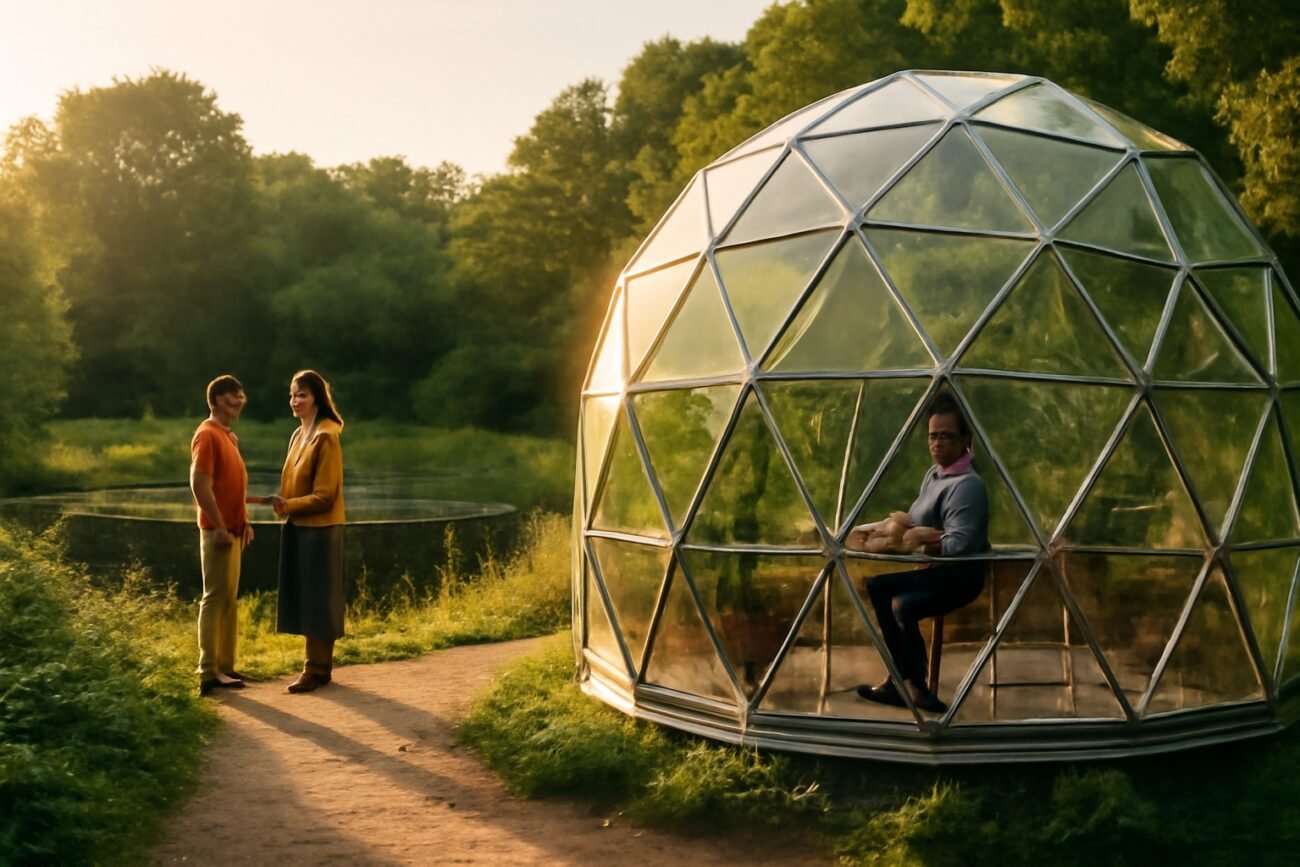
“Lufanest” is a new and creative idea that connects nature, people, and innovation. It is about finding balance between how we live, how we build, and how we think. Many people see lufanest as a way to bring calm, creativity, and purpose back into daily life. In simple words, it means living and designing with awareness — creating things that feel natural and meaningful instead of rushed or artificial.
Right now, the word lufanest is getting attention because it reflects what people are looking for: peace, balance, and smarter ways of living. It fits in many areas like design, technology, culture, and lifestyle. Whether someone wants to make better homes, greener cities, or more thoughtful products, the idea of lufanest gives them direction.
In this article, you will learn what lufanest truly means, how it started, how it works in real life, and how it can shape the future. By the end, you’ll understand why this simple yet deep concept is becoming part of modern life everywhere.
The Origin And Meaning Behind “Lufanest”
The word lufanest is made of two parts — “lu” and “nest.” The first part, lu, is often linked to light, life, and natural flow. The second part, nest, stands for safety, comfort, and belonging. When combined, they create the idea of a “light-filled space of comfort” or “a place where growth and balance happen.”
Lufanest brings ideas from many fields together. It is not limited to one area. In environmental design, it describes spaces that work with nature instead of against it. In culture, it represents a lifestyle built around calm and community. In technology, it is used to describe systems that learn and adapt like living things. All these meanings connect to one base idea — harmony between the human world and the natural one.
Some experts say lufanest has roots in old design and wellness traditions. Long before it became a trend, many cultures built homes and communities that followed the same principles: open air, natural light, peaceful sound, and simple living. The modern term lufanest is just a new name for an old truth — that people feel better when they live in balance with their surroundings.
Key Principles Or Components Of The “Lufanest” Concept
The idea of lufanest is built on three main steps: observation, translation, and application. These steps work like a simple guide for how to turn inspiration from nature into real solutions.
Observation
It begins with watching the world closely. Nature shows balance in every form — from the way plants grow toward light to how animals build homes. In lufanest thinking, observation means slowing down and paying attention to patterns, shapes, and systems that already work well in nature.
Translation
This step takes what we see in nature and turns it into useful ideas. For example, a designer might study the curve of leaves to design cooler buildings. A tech developer might copy the way trees share energy to create smarter networks. Translation helps bring natural wisdom into modern life.
Application
The last step is putting these ideas into action. It could be in building design, product creation, or digital innovation. The goal is to make things that are efficient, kind to the planet, and good for people’s well-being.
Lufanest always tries to find the balance between complexity and simplicity, or between natural and artificial. It reminds creators that a design can be smart and advanced while still feeling soft and human. This balance forms the real framework of lufanest — a bridge where innovation meets peace, and technology meets nature.
How “Lufanest” Is Applied Across Different Fields
The idea of lufanest is flexible. It can fit into many parts of modern life because it’s about harmony, design, and awareness. Below are a few main areas where this concept is being used.
Environmental science and sustainability
- In this field, lufanest supports living in balance with nature. Experts use it to design systems that waste less and protect natural cycles. A lufanest-inspired plan might include renewable energy, clean air design, or water-saving projects. The goal is to let the planet breathe while people live comfortably.
Architecture, design, and smart buildings
- In architecture, lufanest means creating spaces that feel alive. Buildings that follow this idea use open light, green areas, and natural air flow. Smart homes designed under the lufanest concept use technology to save energy and improve comfort without losing a natural feel. It’s not just about looks — it’s about how the space feels and responds to human life.
Technology, AI, and adaptive systems
- In technology, lufanest inspires systems that learn and grow naturally. AI developers and digital designers use it to make programs that understand user needs more deeply. Just as nature adapts, lufanest-based systems adjust in real time, creating smarter and more human-centered technology.
Culture, travel, and experience
- In culture and lifestyle, lufanest stands for mindful living. It appears in travel, wellness, and art. A travel destination that follows lufanest values might focus on calm spaces, community connection, and eco-friendly stays. The goal is to offer experiences that recharge both body and mind.
In every field, lufanest connects progress with peace. It teaches that development should make life easier without disconnecting people from nature.
The Benefits And Value Of Embracing “lufanest”
Choosing lufanest as a mindset brings clear value in daily life, work, and design. It helps people and organisations create things that are useful, balanced, and future-ready.
Adaptability, resilience, and efficiency
Lufanest teaches flexibility. It helps people and systems adjust to change without losing purpose. When plans or environments follow lufanest thinking, they can recover faster from problems and work smoothly with fewer resources. This makes projects more stable and efficient in the long run.
Innovation and sustainability
Many creative ideas are born through lufanest. It encourages trying new methods inspired by nature and simplicity. At the same time, it supports sustainable growth — designing and building in ways that protect the earth. This mix of creativity and care makes innovation both smart and responsible.
Real-world Value For Organisations And Individuals
For companies, lufanest can improve product design, energy use, and customer experience. For individuals, it can shape lifestyle choices that bring peace, focus, and well-being. The main benefit is balance — between ambition and awareness, speed and calm, technology and humanity.
Embracing lufanest means living with purpose. It turns daily actions into mindful steps toward a better and more thoughtful world.
The Challenges And Limitations Of “Lufanest”
While lufanest offers many benefits, it also comes with some real challenges. These make it harder to use the concept in a clear and consistent way, especially when applied to big projects or industries.
Data And Modelling Gaps
Lufanest depends on understanding natural systems, human behavior, and design logic. Sometimes, there isn’t enough data to model these things correctly. For example, nature works in patterns that can’t always be measured, and when people try to apply them, the results are not always predictable.
Complexity Of Implementation And Teamwork
Lufanest brings together ideas from different fields — environment, art, science, and technology. That makes it powerful but also complex. Teams may find it hard to communicate when each person sees the concept in a different way. Turning these shared ideas into one working design can take time and deep coordination.
Skepticism, Cost, And Misuse
Some people doubt the idea of lufanest because it sounds abstract. Others worry about the cost of applying it to real projects. There’s also the risk of using the term without truly following its principles, which weakens its value. When applied without care, lufanest can become just another trend instead of a meaningful method.
Even with these challenges, lufanest continues to grow because its core message — harmony between nature, people, and innovation — remains strong.
Case Studies Or Real-world Examples Of “Lufanest” In Action
Example 1: Architecture Design Inspired By Lufanest
A small eco-village in northern Europe followed lufanest ideas when designing homes. The architects studied how sunlight moved through trees and used that pattern to plan window placement. Each house uses natural air flow, green roofs, and recycled materials. The result is a community that feels peaceful, bright, and connected to nature — a living model of lufanest architecture.
Example 2: Ai Or Digital System Following Lufanest Principles
A group of developers created an AI system that learns from the environment it works in. The design came from lufanest thinking — building systems that adapt and grow instead of staying fixed. This AI adjusts its settings to save energy and reduce waste, much like nature balances its own cycles. It shows how digital technology can follow natural patterns to become more sustainable and human-friendly.
Example 3: Cultural Or Travel Context Using Lufanest Insights
In some wellness retreats, lufanest has become part of the experience. Guests stay in eco-lodges built with local materials, surrounded by quiet landscapes. Activities like mindful walking, art, and natural cooking help visitors reconnect with simplicity. These travel experiences reflect the heart of lufanest — slowing down, living with awareness, and feeling in tune with the environment.
Together, these examples show that lufanest is not just a concept but a practical way of designing better systems, spaces, and lifestyles. It turns balance into action.
Future Outlook: Where “Lufanest” Is Headed Next
The future of lufanest looks bright as more people and industries start using it as a guide for design and innovation. The concept continues to shape how we build, plan, and connect in a fast-changing world.
Smart Cities And Real-time Adaptive Environments
Urban planners are already testing lufanest ideas in smart city projects. These cities use data and sensors to adjust lighting, traffic, and energy use automatically. The goal is to create places that respond to people’s needs in real time — clean, safe, and efficient without losing a human touch.
Climate-change Modelling And Personalised Systems
Lufanest also helps in climate research and energy design. Scientists use its principles to build systems that adapt to temperature shifts, rainfall patterns, and other environmental changes. On a personal level, it supports tools that track lifestyle habits and suggest small ways to live more sustainably every day.
Blending Physical, Digital, And Human Systems
The next step for lufanest is merging technology with the real world. Imagine a city where digital tools, nature, and people work together in balance. Homes could adjust temperature based on outside weather, digital art could react to mood, and public spaces could change layout for comfort. This mix of physical, digital, and human design is what lufanest stands for — a living, breathing connection between progress and peace.
Lufanest is not just a passing idea. It’s shaping the path toward smarter, softer, and more balanced ways of living.
Conclusion
The idea of lufanest shows that balance can exist between nature, technology, and human life. It reminds us that progress does not have to mean stress or waste. Whether it’s used in design, science, or daily habits, lufanest encourages smarter choices and mindful growth. It connects modern innovation with the calm rhythm of nature, giving people and businesses a better way to create and live.
For readers and organisations, the next step is to think about where lufanest fits into their own world. It could be through greener spaces, better energy use, thoughtful product design, or simply slowing down to live with awareness. The concept is simple but powerful — change starts with one clear decision to build harmony instead of noise. That’s the true meaning of lufanest.
FAQ’s:
What Does The Word “lufanest” Actually Mean?
Lufanest means balance between people, nature, and innovation. It describes a way of living and designing that feels peaceful, useful, and connected to the environment.
Where Did The Idea Of Lufanest Come From?
The term combines “lu,” which stands for light and life, and “nest,” which means comfort and belonging. It grew from ideas in environmental design, culture, and modern technology.
How Can Lufanest Be Used In Daily Life?
Anyone can follow lufanest by making simple choices — using natural light, saving energy, spending time outdoors, or creating calm spaces that reduce stress.
Why Is Lufanest Becoming Popular Now?
People want smarter, more mindful ways to live. Lufanest fits today’s world because it connects creativity and sustainability without making life complicated.
Can Businesses Or Cities Use Lufanest Too?
Yes. Companies can apply lufanest to product design, workplace planning, or digital systems that adapt naturally. Cities can follow it when designing eco-friendly, human-centered spaces.
What Is The Main Goal Of The Lufanest Approach?
Its main goal is harmony — to make progress and comfort exist together. Lufanest helps people and communities grow while staying kind to the planet.
Hungry for more? Head over to my website for fresh articles.
Chóim24h: Understanding Its Meaning, Origin, And Modern Influence
Disclaimer
The information shared in this article about lufanest is for general understanding and educational purposes only. It reflects current ideas and research available at the time of writing. Readers should view the concept of lufanest as an evolving framework, not a fixed rule or certified practice. Any examples or case studies mentioned are for illustration and do not represent official recommendations or commercial endorsements. Always seek professional guidance when applying similar methods in real-world projects or designs.
