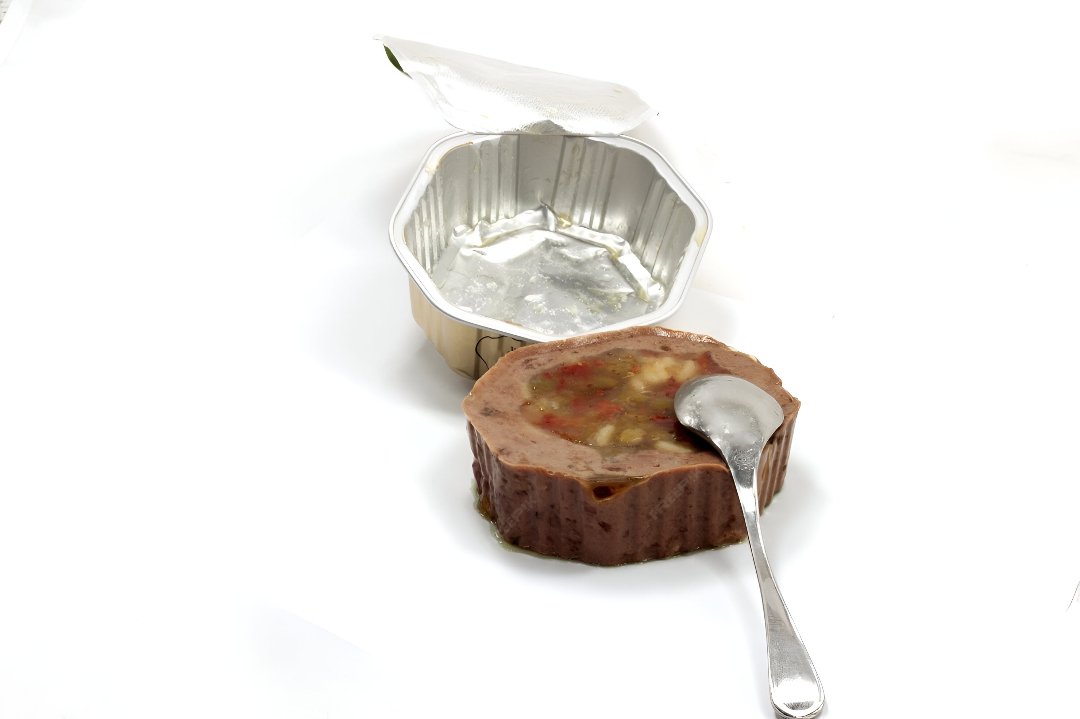
We trust that the food we buy is safe to eat. From farm to table, we assume that our meals are free from harmful contaminants. While food safety has improved dramatically over the decades, some risks persist. One of the most significant, yet often overlooked, is metal contamination.
Sources Of Metal Contamination
Metal contaminants don’t just appear out of thin air. They enter our food from the environment, during processing, and even from the packaging that is supposed to keep it safe. Identifying these sources is the first step toward prevention.
Industrial Processes
Industrial activities are a major source of heavy metal pollution. Factories, mining operations, and manufacturing plants can release metals like lead, mercury, and cadmium into the environment. These metals can contaminate soil and water, which are then absorbed by plants and aquatic life. For example, fish in polluted waters can accumulate high levels of mercury, which then enters the human food chain when those fish are consumed. Equipment used in food processing can also be a source. Wear and tear on machinery, including parts like injection-molded plastic parts or metal components, can release small fragments into food products if not properly maintained.
Agricultural Practices
Modern agriculture relies on various products to enhance crop yield, but some of these can introduce heavy metals into the soil. Fertilizers, pesticides, and animal manure can contain trace amounts of metals like arsenic and cadmium. Over time, these substances can build up in the soil and be absorbed by crops. Irrigation with contaminated water also contributes to the problem, spreading metals across agricultural lands and into the produce we eat.
Packaging Materials
Food packaging is designed to protect food, but sometimes it can be the source of contamination. Materials like cans, foils, and plastic containers can leach metals into food, especially under certain conditions like high heat or acidity. For instance, aluminum from cans or foil can migrate into acidic foods like tomato sauce. Solder used to seal older types of food cans often contained lead, which posed a significant risk before regulations were tightened. Even today, it’s important to choose packaging materials that are certified as food-safe.
Health Risks Of Metal Contamination
Exposure to heavy metals in food can lead to a range of health problems, from mild discomfort to severe, chronic conditions. The effects depend on the type of metal, the level of exposure, and the duration.
Short-Term Effects
Ingesting a high concentration of certain metals can cause acute, short-term health issues. These symptoms often appear soon after consumption and can be mistaken for common food poisoning.
They may include:
- Nausea and vomiting
- Abdominal pain and cramping
- Diarrhea
- Headaches
While these symptoms are often temporary, high levels of exposure can cause more severe damage to the organs, particularly the kidneys and liver, which are responsible for filtering toxins from the body.
Long-Term Effects
The more insidious danger of metal contamination is the long-term impact of chronic, low-level exposure. Heavy metals can accumulate in the body over years, leading to serious health conditions.
Some of the most well-documented long-term effects include:
- Neurological Damage: Lead and mercury are notorious for their neurotoxic effects. In children, even low levels of lead exposure can impair cognitive development, lower IQ, and cause behavioral problems. In adults, it can lead to memory loss and other neurological issues.
- Cancer: Some metals, such as arsenic, cadmium, and chromium, are classified as human carcinogens. Prolonged exposure increases the risk of developing cancers of the skin, lungs, bladder, and kidneys.
- Kidney Disease: The kidneys are particularly vulnerable to damage from heavy metals like cadmium and lead, which can lead to chronic kidney disease and failure.
- Bone Damage: Metals like lead and cadmium can interfere with calcium metabolism, leading to weakened bones and an increased risk of fractures.
Regulations And Monitoring
To protect public health, governments and food industry bodies have established strict regulations and monitoring programs to control metal contamination in food.
Governmental Standards
Agencies like the U.S. Food and Drug Administration (FDA) and the Environmental Protection Agency (EPA) set maximum allowable limits for heavy metals in food and drinking water. These standards, often referred to as “action levels,” are based on scientific assessments of health risks. Regulators conduct routine testing of food products on the market to ensure they comply with these limits. When products are found to exceed these levels, they are recalled to prevent public exposure.
Industry Practices
The food industry has a responsibility to ensure its products are safe. Many companies implement their own rigorous safety protocols as part of a Hazard Analysis and Critical Control Points (HACCP) system.
These practices include:
- Supplier Verification: Sourcing ingredients from reputable suppliers who can provide certificates of analysis showing that their products meet safety standards.
- Equipment Maintenance: Regularly inspecting and maintaining processing equipment to prevent wear and tear that could lead to metal fragments entering the food.
- Product Testing: Conducting in-house testing of raw materials and finished products to monitor for metal contaminants.
- Metal Detection: Using advanced metal detectors and X-ray inspection systems on production lines to identify and remove any physically contaminated products before they are packaged.
Preventative Measures
Both consumers and food producers can take steps to minimize the risks associated with metal contamination.
For Consumers
While regulatory bodies and producers do much of the heavy lifting, consumers can make informed choices to further reduce their risk:
- Eat a Varied Diet: Varying your food choices can help limit your exposure to any single source of contamination. For example, eating different types of fish can reduce the risk of high mercury intake from one specific species.
- Be Mindful of Packaging: Avoid using scratched or damaged non-stick cookware. Store acidic foods in glass or stainless steel containers rather than aluminum or certain plastics.
- Wash Produce: Thoroughly wash fruits and vegetables to remove surface contaminants that may have come from the soil or environment.
- Stay Informed: Pay attention to public health advisories regarding food recalls or specific risks in your area.
For Food Producers
Food producers are on the front lines of food safety. Adhering to best practices is essential for protecting consumers and maintaining brand trust:
- Implement a Robust HACCP Plan: Identify potential contamination points in your production process and establish strict controls to mitigate them.
- Invest in Technology: Use modern metal detection and X-ray inspection systems to ensure physical contaminants are caught.
- Train Employees: Ensure all staff are trained on food safety protocols, including proper equipment handling and hygiene practices.
- Maintain Traceability: Keep detailed records that allow you to trace ingredients back to their source, which is critical in the event of a recall.
Conclusion
Metal contamination is a serious food safety issue requiring constant vigilance. Everyone plays a part in ensuring a safer food supply, from industrial pollution controls to careful choices in the kitchen. Understanding the sources, risks, and preventative measures helps us all contribute to safe food.
Hungry for more? Head over to my website for fresh articles.
Disclaimer
This article is intended for informational purposes only and does not constitute professional health, scientific, or safety advice. While efforts have been made to ensure accuracy, the information provided may not reflect the most current research or regulatory updates. Readers should consult qualified food safety professionals, health experts, or regulatory authorities for guidance specific to their situation. Neither the author nor the publisher is responsible for any actions, decisions, or outcomes resulting from the use of the information contained in this article.
