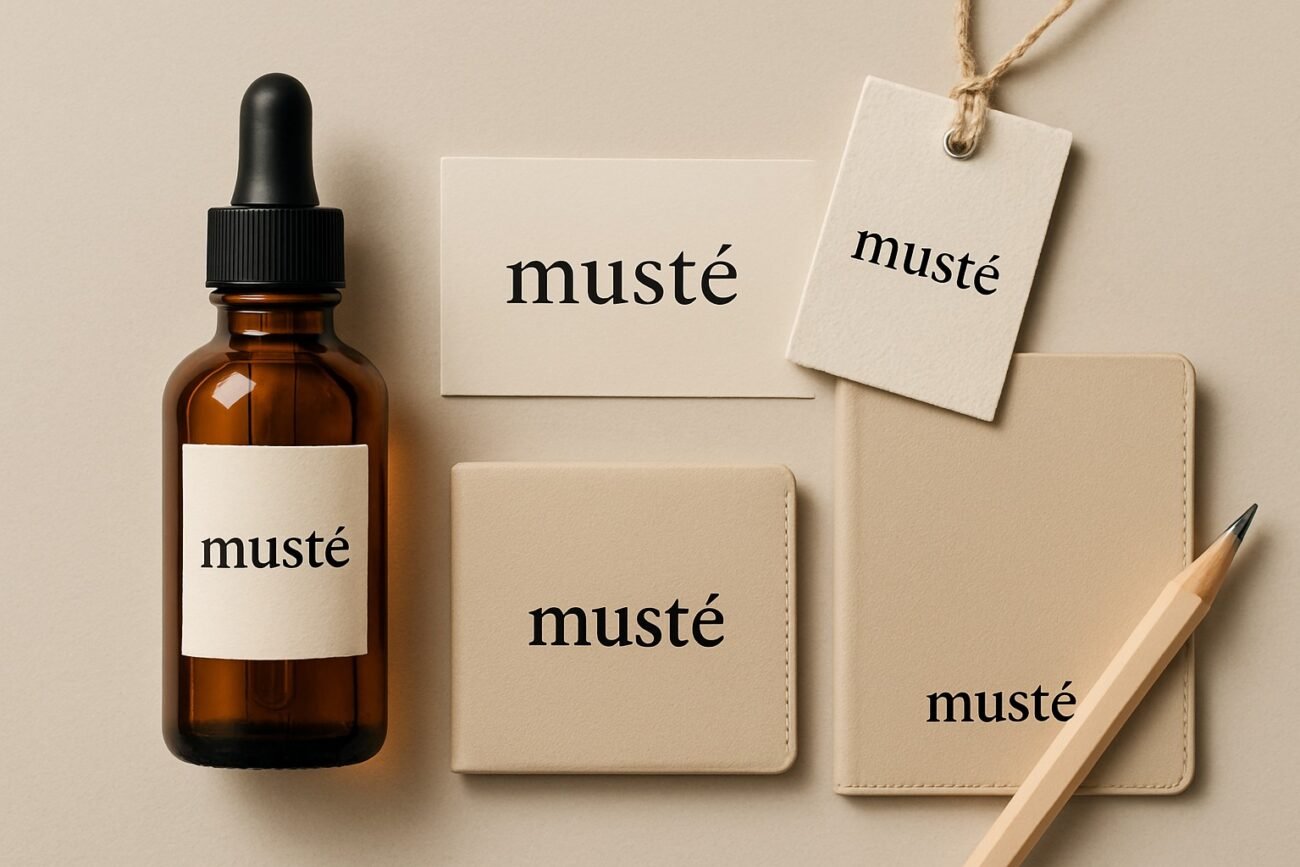
Musté is a word that catches attention because it feels special, modern, and a little mysterious. People search for it to understand what it means, where it comes from, and why it is being used in culture, branding, design, or lifestyle. Musté stands out because it carries a soft, refined sound, and many see it as a word linked with quality, style, and identity.
In this article, you’ll learn what musté means in simple terms. You’ll see where the word comes from, how people use it today, and why it continues to gain interest. You’ll also get clear examples and helpful points so you understand the true value behind the word musté. This guide is made to give answers in a friendly way, so readers searching for musté get complete and useful information without confusion.
What Does “Musté” Mean?
Musté is a word that carries more than one meaning, depending on where it is used. In simple terms, musté can describe something refined, tasteful, or crafted with care. Many people use it to express a sense of style or a touch of elegance. The accent on the letter “é” also gives the word a softer and more polished sound, which makes it feel unique.
In language, musté may appear with slightly different tones. In some settings, it refers to something fresh or newly created. In branding, companies use musté to give their product or identity a premium or artistic feel. For culture or lifestyle, musté is often used to signal uniqueness, soft beauty, or a crafted experience.
You may see musté used in different ways, like a brand name for a clothing line, a label on a luxury accessory, or a term used in creative writing to show a certain mood or detail. The word adapts easily, which is why it appears in many places today. When someone uses musté, the goal is often to show that something has quality, intention, or a special touch.
The Origins And Etymology Of “Musté”
The word musté has roots that connect to older European languages. In Old French, similar forms of the word were used to describe something fresh, pure, or newly made. Many words from that time carried soft endings and accents, which added feeling and tone. Some connections also point toward Latin terms related to freshness or newness, which fits the way the word is used today.
Historically, versions of musté appeared in writing to describe wine, fruit, fabric, or anything that had a clean and untouched quality. Writers used accented endings like “é” to make the word sound smoother and more refined. Over time, the meaning expanded, and people began using it in creative fields to express taste, craft, or style.
The accent on the “é” changes the sound of the word. Instead of sounding flat or sharp, musté feels gentle and smooth when spoken. This small mark gives the word a different character, making it feel more artistic or expressive. Because of this, many brands and creators choose the accented form musté to present a modern and stylish identity.
Cultural And Symbolic Associations Of “Musté”
Musté carries a soft cultural meaning that people link with heritage, creativity, and elegance. The word feels artistic, so many use it to express care, detail, and quiet beauty. It often represents something made with intention, like a crafted item, a design choice, or a product shaped by tradition. When people see the word musté, they often think of something with story and depth.
Different industries use musté in their own way. In artisanal work, it can reflect hand-made craft or fine material. In luxury products, it hints at taste and refinement. In design, musté can point toward clean lines, soft tones, or a modern creative identity. Because the word feels delicate and stylish, it fits well with fashion labels, lifestyle brands, boutique shops, and creative studios.
To an audience, musté signals exclusivity and thoughtful craftsmanship. It suggests that the item or idea behind the name has value and is not mass-produced or rushed. Many people see musté as a mark of something special, a quiet promise of quality, and a symbol of careful work. This emotional signal helps the word stand out, giving it a strong presence in both cultural and branding contexts.
“Musté” In Modern Branding And Industry
In today’s market, musté appears in different forms across fashion, lifestyle, design, and creative brands. Many small labels use the word Musté in their name to create a soft, modern identity. You may see it on clothing tags, skincare lines, perfume collections, home décor pieces, or digital studios that focus on art and minimal design. The word helps these brands stand out because it feels stylish and carries a calm, premium tone.
Brands that use musté often build a full story around it. They use gentle colors, simple shapes, and clean layouts to match the feeling of the name. Their design DNA usually focuses on softness, detail, and modern craft. They want customers to feel that the product came from a thoughtful place. The word also fits well with niche positioning, since it gives a hint of elegance without sounding heavy or complicated. This helps a brand create a strong identity even if it is small or new.
Marketers can learn many things from how musté is used. The first lesson is that a simple word with soft energy can shape the whole look and message of a brand. The second lesson is that storytelling matters. When the word musté is supported by clear visuals, honest values, and consistent design, it builds trust. The final lesson is that niche words can attract audiences who want something different. Using a word like musté can help a brand feel unique, modern, and meaningful in a crowded market.
Why “Musté” Matters Today: Relevance And Trends
Musté is gaining attention today because people are moving toward products and ideas that feel real, personal, and carefully made. Many consumers no longer want loud or flashy branding. They prefer simple, calm, and meaningful names. Musté fits this direction because it sounds gentle and carries a quiet sense of quality. It gives people the feeling that something has been made with thought, not rushed or mass-produced.
Current market trends also support the rise of words like musté. Artisan goods are becoming more popular, and heritage branding is making a strong comeback. People like items that look timeless or have a crafted story behind them. Niche luxury brands are also using soft, elegant language to build identity. In marketing, word-play is common, and names with smooth sounds and accented letters are used to make a product feel special. Musté naturally fits into these trends because it has a warm tone and a clean look.
Using musté can help a brand stand out. Many names feel similar, but musté offers personality without being complex. It can communicate style, care, and creativity in one short word. For creators and businesses, using a term like musté becomes a small but strong differentiator. It signals that the brand has its own voice and its own place in the market. When chosen with purpose, musté can help a product or idea feel more memorable and trusted.
How To Apply The “Musté” Concept In Practice
The idea of musté can guide the full look and feel of a brand. For businesses and marketers, this means using a simple, calm, and refined style in every part of branding. Logos can use soft lines and clean fonts. Product design can focus on comfort, quality material, and small details. In brand copy, words should feel warm and honest, not loud or pushy. When you use musté as a theme, think of quiet confidence and gentle elegance.
Creatives and writers can use musté as a mood in their work. In storytelling, musté can describe a scene that feels soft, real, and carefully shaped. In naming, it can help create titles or brand names that sound modern and graceful. In positioning, you can place a musté style brand as the choice for people who like minimal, timeless, and thoughtful products. The goal is not to shout, but to speak clearly and calmly.
Some simple tips to apply the musté concept:
- Keep design and copy clean and uncluttered
- Use soft, balanced color palettes
- Focus on real benefits and true stories, not hype
- Make sure product quality matches the promise of musté
- Avoid cliché phrases that feel empty or overused
- Always align the feeling of musté with the actual service or product
When you stay honest and clear, the musté concept supports trust. It helps your brand or creative work feel steady, gentle, and memorable in the mind of the reader or customer.
Conclusion
Musté carries a simple but strong meaning. It reflects care, quality, and a soft artistic touch. Through this article, you explored what musté means, where it comes from, how it is used in culture, and why it matters today. You also learned how brands, writers, and creators use the musté style to shape identity and tell a clear and honest story. The word holds a feeling that people connect with, which is why it continues to grow in modern branding and creative work.
When you use musté in your own strategy, it can add calm confidence to your brand or product. It encourages you to focus on detail, truth, and a clean visual style. Musté is more than a name. It is a mindset that values heritage, craft, and distinctiveness. If you apply it with care, it can help your work stand out in a simple and natural way.
FAQ’s:
What Is The Correct Pronunciation Of “Musté”?
Musté is spoken with a soft ending. You say it like “mus-tay.” The accent on the “é” gives the word a gentle sound. It feels smooth and calm when spoken, which is one reason people like using it in branding and creative work.
Is “Musté” Only A Brand Name, Or Can It Be Used In A General Way?
Musté can be used both ways. Some brands use Musté as a name because it sounds refined. At the same time, creative writers and designers also use it as a general term to express style, freshness, or craft. It works in many places and is not limited to one field.
Can I Use “Musté” In My Product Name? What Should I Watch Out For?
You can use musté in a product name if you want a soft and modern identity. The main things to check are trademarks and brand similarity in your country. Musté carries a gentle, elegant tone, so it fits best with products that offer good quality. Make sure your product supports the feeling that musté gives, so the name matches the experience.
Does “Musté” Apply Outside Of Luxury Contexts?
Yes. Musté works in many settings. It does appear a lot in luxury or artisan goods, but it can also fit lifestyle items, home décor, small creative brands, digital projects, or simple handmade products. The word does not depend on price. It depends on feeling. If the work has care and a calm style, musté can fit well.
Hungry for more? Head over to my website for fresh articles.
Disclaimer
The information in this article about the term musté is based on general language usage, cultural interpretation, and branding practices. Musté may have different meanings or uses depending on region, industry, or individual context. This content is created for educational and informational purposes only and should not be taken as legal, branding, or trademark advice.
