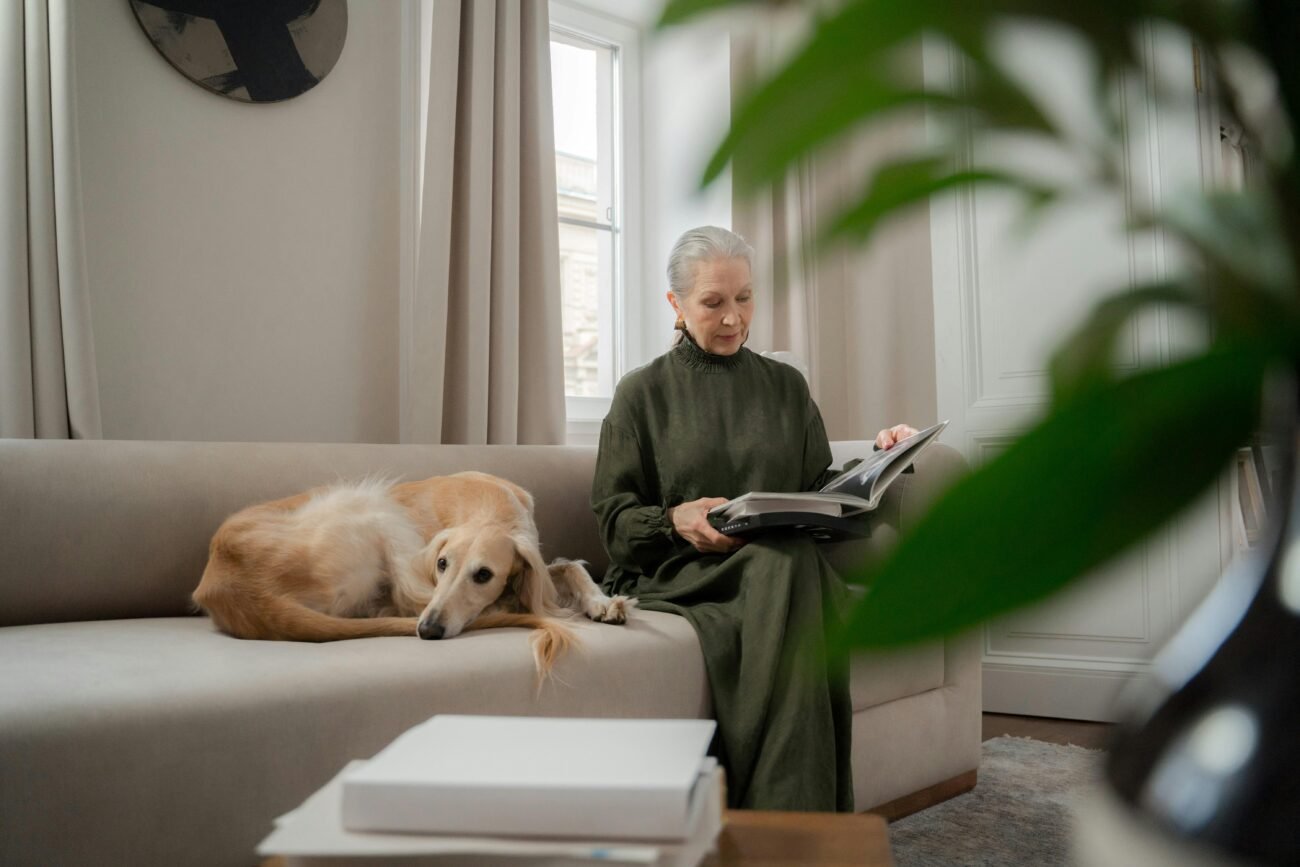
Growing older comes with many beautiful moments: wisdom, perspective, and often more time to enjoy life’s simple pleasures. Yet, aging also carries its own set of trials, such as loneliness, health concerns, or changes in daily routines.
One gentle, joyful, and increasingly popular way to support seniors through these changes is pet therapy. After all, there is something deeply comforting about the presence of an animal: the soft nudge of a nose, the steady rhythm of a purr, or the excitement of a wagging tail.
For seniors, these simple moments can mean much more than just pleasant company. They can actually improve health, boost mood, and make everyday life better in ways that might surprise you.
Here, we’ll walk you through how pet therapy helps improve senior well-being. But before that, let’s discuss what it is.
What Is Pet Therapy?
Pet therapy, also known as animal-assisted intervention (AAI), is a structured program where trained animals visit or live with people to improve their health and happiness.
These aren’t just any pets wandering around. These animals go through special training to make sure they are calm, well-behaved, and comfortable around different people and situations.
Most pet therapy programs use dogs because they are naturally social and love human interaction. But you’ll also find cats, rabbits, birds, and even miniature horses participating in therapy sessions.
For seniors, pet therapy often takes place in nursing homes, assisted living communities, hospitals, memory care units, and senior centers. It can also take place at home, and caregivers play a big role in making it safe, enjoyable, and effective.
In a home setting, caregivers help coordinate visits from certified therapy animals or support seniors who already live with a pet. They ensure the environment is calm and comfortable, helping seniors feel relaxed and open to interaction.
Before you ring up any home care support company for assistance, make sure to vet your home care support options properly.
According to https://carechoice.com/, you must research and verify the company’s credentials, investigate the caregiver’s qualifications, understand the cost, and read reviews. This way, you’ll make an informed decision.
Pet therapy sessions usually last anywhere from 15 minutes to an hour, depending on the setting and the senior’s needs. During visits, seniors might pet the animal, brush their fur, play gentle games, or simply sit together.
Emotional And Mental Health Benefits Of Pet Therapy
One of the most powerful impacts of pet therapy for seniors lies in emotional and mental well-being. Animals have a unique way of connecting without judgment, expectation, or pressure.
The Neurobiology Of Connection
The benefits of pet therapy are rooted in science. Interaction with animals causes specific hormonal changes. Petting a calm animal can lower cortisol levels. Cortisol is the hormone responsible for stress.
At the same time, it increases serotonin levels. Serotonin promotes feelings of happiness and well-being. Spending time with a pet naturally boosts oxytocin levels in the brain. This hormone is associated with positive emotions and bonding.
Combatting Loneliness And Depression
Therapy animals act as a compassionate shield against the weight of grief. In fact, seniors who have lost a spouse fare better if they have a pet. Animals bring a sense of normality to the day.
In clinical trials, pet therapy significantly reduced symptoms of depression. One study measured the impact of dogs during 20-minute daily sessions over 3 days. Patients scored lower on the UCLA Loneliness Scale.
The presence of an animal provides a sense of security. It makes seniors feel that someone they trust is always around.
Physical And Cognitive Health Benefits Of Pet Therapy
Beyond emotional support, pet therapy also offers valuable physical and cognitive benefits, helping seniors stay more active and mentally engaged.
Cardiovascular And Physiological Improvements
Spending time with therapy animals regulates blood pressure. This promotes better cardiovascular health. Cholesterol and triglyceride levels, both of which are key markers for heart disease, are also lower in pet owners.
In one large study of 5,741 participants, pet owners maintained significantly lower systolic blood pressure than those without pets.
Encouraging Physical Movement
Animals motivate seniors to stay active. Dogs, in particular, require regular walks and playtime. Walking a dog is a simple way to get blood flowing. It helps keep the joints healthy and increases the tidal volume of the lungs, or the amount of air moved in and out during a normal breath.
Even simple tasks, like brushing a dog, involve physical engagement. This helps maintain and improve motor skills. Physical activity with pets also improves balance and mobility. This can lead to stronger bones and reduced fall risk.
Cognitive Benefits For Dementia And Alzheimer’s
Pet therapy is remarkably effective for those with memory loss. Trained animals help relieve anxiety and agitation in these patients. They can even spark memories that were thought to be lost.
For individuals with dementia, animals offer comfort without judgment, providing a sense of connection and security. Interactions can help improve short-term and long-term memory. Tactile experiences, like petting, provide cognitive stimulation.
A Gentle, Joyful Addition To Senior Care
Pet therapy isn’t a miracle cure for every health issue seniors face. But the combination of emotional support, mental stimulation, and gentle physical activity creates real improvements in quality of life.
If you’re thinking about introducing animals into a loved one’s life, take a gentle, informed approach. Consider preferences and health, start small, and build routines that keep both the senior and the animal safe and joyful.
Done well, pet therapy becomes an everyday source of comfort, purpose, and connection. And in senior care, that kind of comfort matters more than you think: it changes days, and sometimes it changes lives.
Hungry for more? Head over to my website for fresh articles.
Disclaimer
This article is for informational purposes only and does not replace professional medical, therapeutic, or caregiving advice. Pet therapy may not be suitable for all seniors, especially those with allergies, medical conditions, or cognitive limitations. Individual results may vary based on health and environment. Always consult healthcare providers or certified pet therapy professionals before starting any animal-assisted program.
