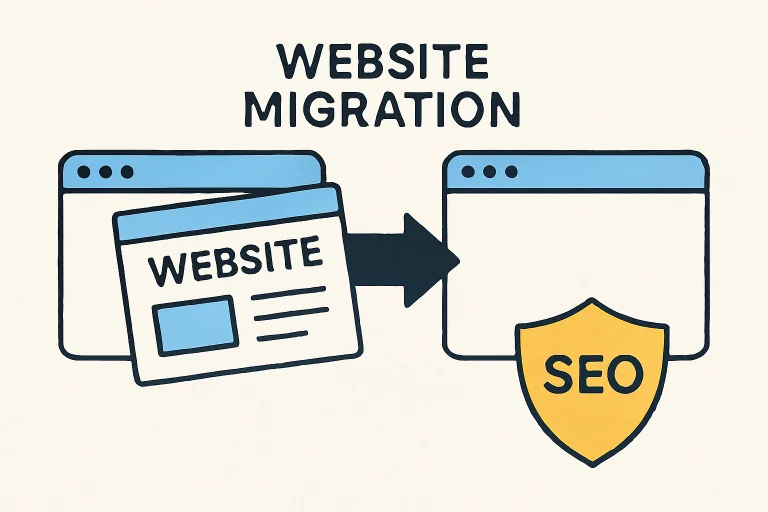
Upgrading or relocating your website—whether to a new platform, domain, or design—remains one of the riskiest maneuvers for preserving hard-earned search engine rankings. While a fresh look or improved features are valuable, any misstep can threaten your organic visibility and traffic. For business sites and content publishers that depend on search engine performance, ensuring a smooth digital transition is non-negotiable. For professional help with handling this critical task, consider skilled SEO migration services that specialize in maintaining your online visibility.
SEO during migration requires careful strategic planning, thorough audits, and precise execution. Being well-prepared facilitates smooth transitions, thereby preserving authority and brand presence. Acknowledging unique migration risks enables proactive safeguards against search engine disruptions, ensuring the new website retains its SEO value. The guide outlines actionable steps for auditing, redirecting, and monitoring different migration scenarios to maximize SEO preservation.
Understanding Website Migration
Website migration is a comprehensive process that alters the technical or structural foundation of your site. Typical migrations may involve moving to a new domain, adopting a different content management system (CMS), overhauling the site architecture, or implementing a mobile-friendly, responsive design. Each migration type presents different SEO challenges: new domains can disrupt authority, architectural changes can confuse search bots, and CMS overhauls may impact metadata and internal links. Recognizing what type of migration you face allows you to address SEO risks in advance and design a more effective transition strategy.
Pre-Migration Planning
Set Clear Migration Goals
Clearly articulate your objectives: Are you pursuing faster site speed, better user experience, or aligning with a new brand identity? Aligning your migration goals with SEO needs ensures every stakeholder pulls in the same direction and prevents avoidable compromises or omissions.
Build The Right Team
Pull together an experienced team, incorporating SEO specialists, developers, UX designers, and content strategists. A diverse group ensures that critical details—such as technical redirects and content mapping—are not overlooked.
Craft A Thorough Timeline
Create a detailed migration timeline that includes milestones, review stages, and sufficient time for rigorous testing. Allowing for feedback and possible setbacks helps you identify and address SEO issues before they escalate.
Conducting A Comprehensive Site Audit
Audit your existing site exhaustively before making any changes. Catalog every URL, noting which ones perform best in search and which generate backlinks. Inventory your on-page SEO elements—titles, meta descriptions, H1s, and structured data—ensuring nothing valuable gets lost. Evaluate site performance: page load speed, mobile optimization, crawl efficiency, and security settings all impact SEO. For a step-by-step guide on site auditing, review Moz’s website audit checklist.
- URL Mapping:Document all URLs, including high-traffic and high-value pages.
- Content Inventory:Record existing content, marking what needs to be migrated, revised, or retired.
- Technical SEO Review:Assess site speed, core web vitals, mobile responsiveness, and schema markup.
Developing A Redirect Strategy
Preserving your authority and traffic depends on a flawless redirect strategy. Use 301 redirects for all pages—especially those with backlinks, search traffic, or conversion value. Avoid chaining multiple redirects, as this can dilute link equity and degrade the user experience. Before launch, use third-party crawlers or development tools to verify that redirects go directly from old URLs to their new counterparts, with no errors or unnecessary hops.
- 301 Permanent Redirects:Use to pass ranking signals from the old to the new URLs.
- Avoid Redirect Chains:Guarantee redirects route visitors—and crawlers—straight to their intended destination.
- Test Extensively:Double-check all redirects during staging and after launch.
Preserving Backlinks And Authority
Authority built through years of backlink accumulation may vanish overnight if not proactively managed during migration. Conduct a backlink audit to identify sites linking to your pages, prioritizing your most valuable and frequently referenced content. Where feasible, reach out to webmasters and request updated links to your new URLs—especially for your homepage or cornerstone articles. Post-migration, continually monitor your backlink profile and address lost or broken links before they impact your rankings.
- Backlink Audit:Utilize SEO tools to record your inbound links before migration.
- Contact Key Partners:Ask high-authority referrers to update their links.
- Ongoing Monitoring:Continuously track your link profile with monitoring tools after launch.
Post-Migration Monitoring
Immediately after migration, closely observe traffic and ranking metrics using analytics and dedicated SEO tools. Compare historical organic traffic levels and keyword rankings to spot discrepancies. Use Google Search Console to identify crawl errors, indexing issues, or broken redirects. Promptly fixing post-launch technical issues minimizes the impact on your search presence and protects your investment in SEO.
- Traffic Tracking:Analyze visit trends and traffic sources for sudden drops.
- Ranking Checks:Watch keyword positions for essential search queries.
- Error Monitoring:Address crawl and redirect errors flagged in Search Console immediately.
Common Pitfalls To Avoid
Despite even the best-laid plans, some errors are more common and damaging than others. Failing to optimize for mobile can alienate modern users and draw Google penalties. Mistakes in analytics setup can result in incomplete data, obscuring migration success or causing overreactions to regular fluctuations. Finally, never disregard user experience; slow load times and confusing navigation impact not just SEO but your site’s entire user journey.
- Mobile Optimization:Ensure your new site is fully responsive for users on any device.
- Accurate Analytics:Properly configure all analytics and goal-tracking from day one.
- User Experience:Maintain intuitive menus, clear CTAs, and fast loading times.
Conclusion
Successfully migrating your website without sacrificing SEO requires deliberate strategy, detailed audits, and ongoing vigilance. By following the steps outlined here—and leveraging proven resources and specialists—you can execute a migration that preserves your site’s authority, traffic, and search engine rankings while positioning your digital presence for future growth.
Hungry for more? Head over to my website for fresh articles.
Disclaimer
The information provided in this article is intended for general informational and educational purposes only. It reflects commonly accepted SEO practices and website-migration guidelines but does not constitute professional technical, legal, or strategic advice. Website migrations can vary widely based on platform, infrastructure, and business requirements, and improper implementation may lead to data loss, reduced visibility, or other unintended outcomes. Readers should consult qualified SEO professionals, developers, and technical experts before making any major changes to their websites. Neither the author nor the publisher is responsible for any decisions, actions, or results arising from the use of the information presented in this article.
