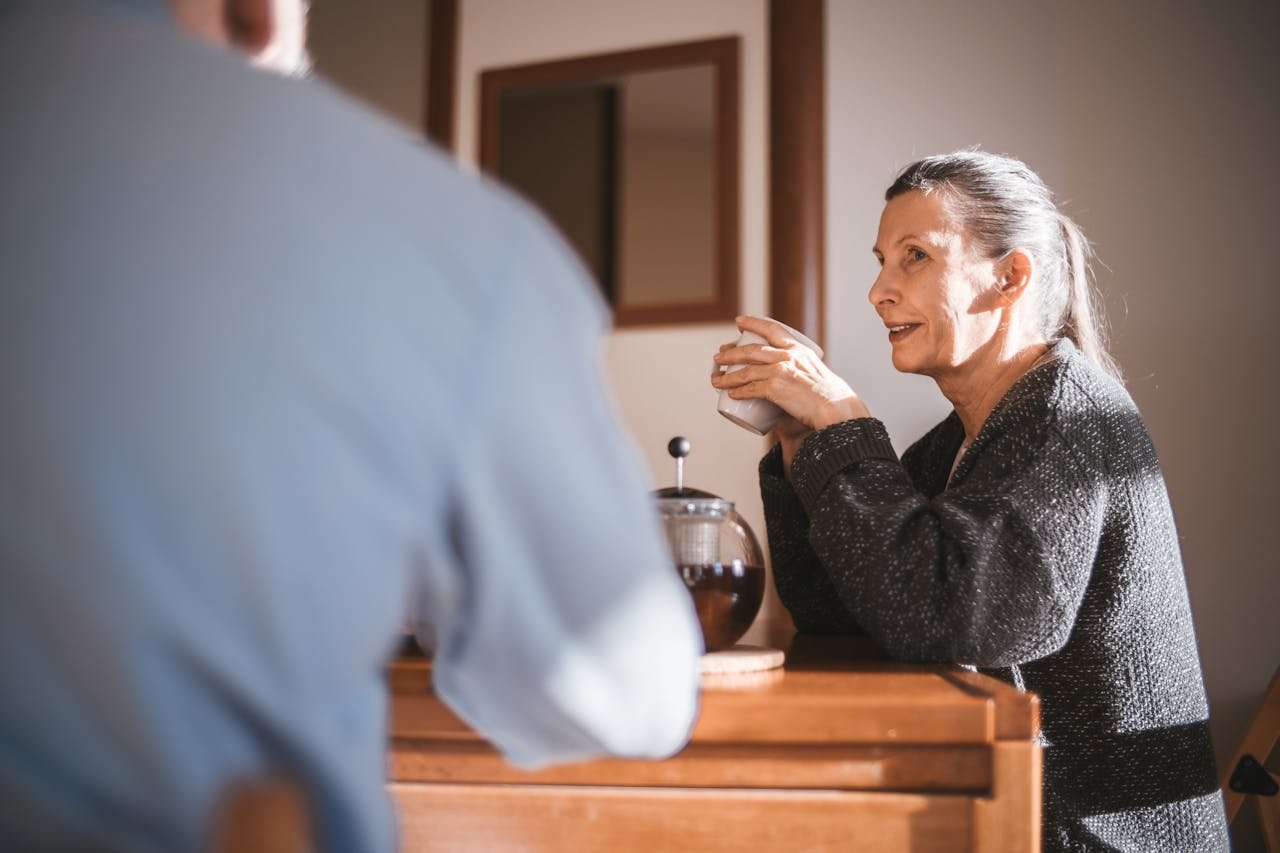
Getting old has its perks. The chance of taking more time off work as you start valuing balance, the life experiences, and joys of being with grandchildren. It also has significant downsides, most of them related to poor health due to advancing age.
The WHO reports that vision and hearing problems affect many older adults, worsening the risk of falls and fractures. Besides complicating everyday life, they also impact communication with family members and others, including doctors and caregivers.
The healthcare, and specifically elder care, community has been endeavouring to find creative ways to address this challenge. We discuss three such approaches that you can try to support senior adults facing these challenges.
Non-Verbal And Tactile Cues
Living with hearing or vision loss is undoubtedly challenging, more so in advanced age. Many adults facing this strive to learn non-verbal communication techniques to compensate, to some extent. This approach can make interactions feel wholesome again as the person can pick up on emotions and reactions.
For example, while communicating with an adult with vision or hearing difficulties:
- Seek permission for tactile interactions. These could be a tap on the shoulder to indicate you are in the room or a gentle handshake to signal agreement with a request.
- Use nonverbal communication through the written word for people with hearing problems. A simple act, like supplying writing materials, can make interactions much more fruitful and meaningful.
As more people work past retirement age, learning these communication ideas will be helpful for those around them. Pew Research notes that households aged 65 and older have increased over the last decade, with over 19% of older residents contributing to the labor force in 2023.
The opportunities for interacting with older people are higher in cities like Philadelphia, which has a significant aging population.
According to https://www.ameribesthomecare.com/, reliable and patient-centered communication is also essential in home care. It can help build trust and companionship, which are often prized assets for people of all ages. Many families now choose to work with professional at-home caregivers who are adept at communicating with people with compromised vision or hearing.
Braille And Sign Language
Consider learning approaches like Braille and sign language as you explore non-verbal and tactile communication. Many people manage to learn them enough to be fully able to communicate, in detail and elaborately.
Another approach to consider is the Two-Hand Manual, which spells out words on another person’s hand. [r/deafblind]
These methods require patience and perseverance. But they can deliver wonderful results for families willing to try together.
Acknowledgment And Attention Over Words
A distressing problem faced by many senior adults with disabilities is the (often only perceived) lack of attention from loved ones and community members. Their struggles with communicating can make them feel distanced from former social circles. The CDC reports that loneliness is a significant problem among older adults, and disabilities can worsen social isolation.
Caregivers can alleviate this risk by paying attention and making sure they communicate the same. For example:
- A verbal note of affirmation and acknowledgement can mean much more than a nod of the head.
- Acting promptly on demands, such as arranging for groceries or getting prescriptions filled, also sends the message that they are being heard and are valued.
Verywell Mind recommends following the five love languages, applicable at any age and for different types of people. The idea is that while some people appreciate affirmation and gifts, others may require quality time.
Your depth of understanding about the person will help you understand which language can prove most effective, even when disabilities hinder traditional communication.
Technology-Led Communication Aids
Technology is often misunderstood in the elder care context, coming across as impersonal or mechanical. Many also assume that older adults feel uncomfortable with using technology.
However, the recent National Poll on Healthy Aging found that 55% of the respondents had used AI technologies, such as Amazon’s Alexa, in the past year. In fact, many of them reported using technology-based solutions for seeking information and entertainment.
- For seniors with hearing loss, real-time speech-to-text applications can be revolutionary. These apps can enable them to have meaningful conversations with caregivers and other members of the family. They are also excellent choices for people who don’t find hearing aids helpful.
According to Allied Market Research, the global speech-to-text API market is growing rapidly and may reach $21 billion by 2034. AI-powered transcription in real time is witnessing exceptional growth, proving beneficial for older adults with hearing disabilities.
- Try using screen-reading software for adults with vision loss. These solutions are affordable and convenient to use, without a difficult learning curve.
Healthline notes that senior adults can choose specific tools to fulfill their needs, with help from caregivers. For example, a prescription reader like ScripTalk can benefit anyone on a complex medication schedule. Assistive technology around the house can offer support with cooking, laundry, and other day-to-day activities.
Developing hearing or vision loss can feel like a burden, bringing everything down and making life harder. Being unable to see or hear loved ones and manage one’s everyday tasks unassisted is a huge blow to confidence. You can help loved ones find their feet through it using the above communication strategies.
During this time, it is not only the senior adults who need to relearn some things; their support systems must also be willing to go the extra mile.
Hungry for more? Head over to my website for fresh articles.
Disclaimer
This article is for informational purposes only and is not a substitute for professional medical, caregiving, or therapeutic advice. Communication needs and abilities vary among individuals, especially older adults with health conditions. Readers should consult qualified healthcare providers or caregivers before implementing new strategies. External sources are referenced for general awareness only.
