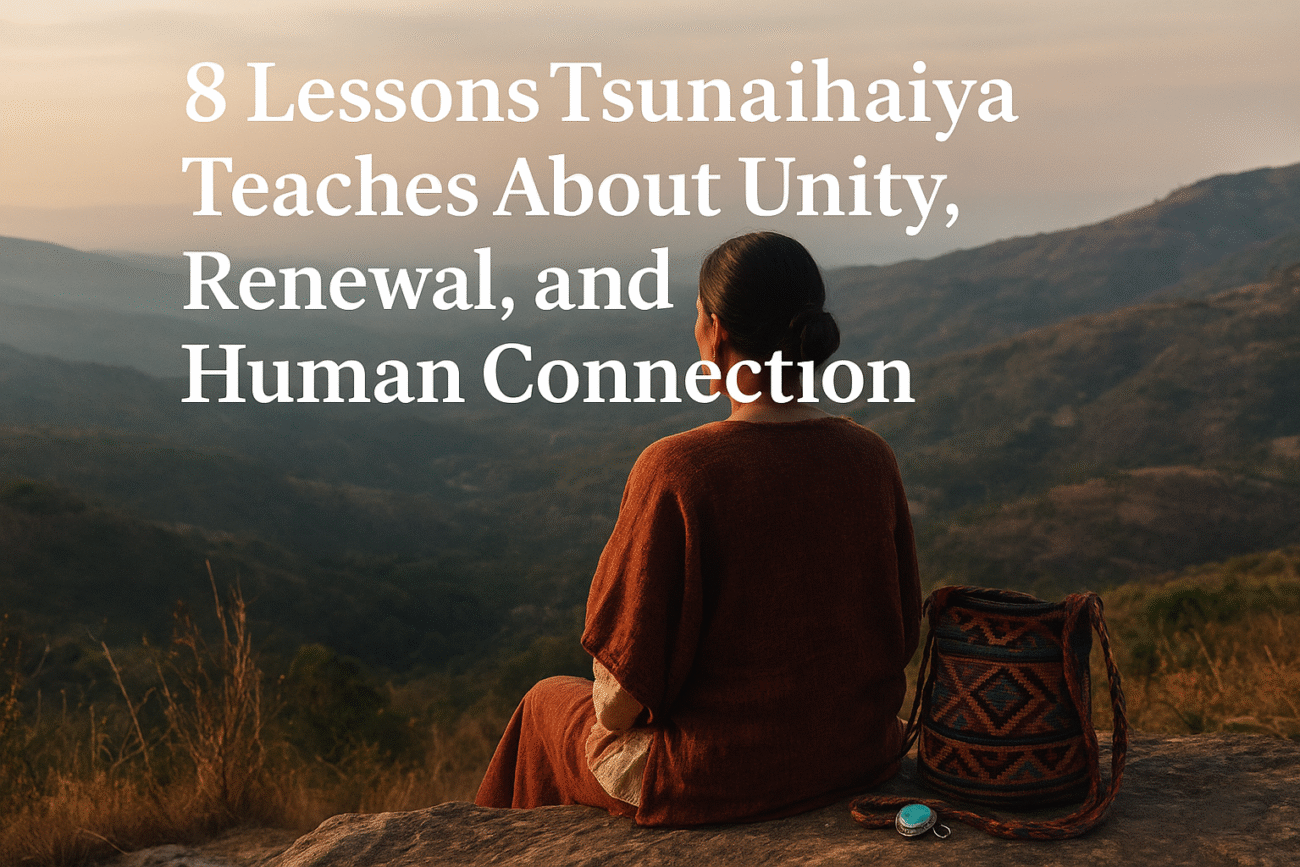
In an age when cultural traditions often fade under the weight of modernization, Tsunaihaiya stands out as a reminder of how human values can endure through time. The word “Tsunaihaiya” is interpreted as a symbol of connection — linking people to their roots, their community, and the cycles of nature that shape everyday life.
While references to Tsunaihaiya appear in both cultural and creative contexts, its deeper meaning lies in the idea of unity, renewal, and shared identity. This article explores the origins, philosophy, and living relevance of Tsunaihaiya, showing how it continues to inspire community life and creative expression today.
Origins And Meaning
The word Tsunaihaiya is believed to carry connotations of sunrise or a new beginning — a metaphor for hope, continuity, and renewal. Though historical documentation about its exact roots is limited, the term has been associated with indigenous cultural philosophy and, in more recent contexts, artistic movements that seek to blend heritage with modern expression.
At its core, Tsunaihaiya represents the connection between past and present — a principle found in many native and local traditions worldwide. It reflects how communities preserve wisdom through rituals, stories, and craftsmanship, ensuring that the lessons of ancestors remain part of daily life.
Cultural Philosophy
Connection To Nature
Tsunaihaiya emphasizes harmony with the natural world. Its traditions often celebrate the rhythm of seasons, the rising sun, and the interdependence of humans and the environment. This idea aligns with the broader human value of living in balance with nature — something increasingly relevant in today’s era of climate concern.
Respect For Ancestry And Elders
In many cultures, ancestry is the foundation of identity. Tsunaihaiya embodies that respect — viewing elders as living archives of wisdom and history. Through storytelling, song, and craft, each generation learns to see themselves as part of an unbroken lineage.
Community And Shared Experience
Tsunaihaiya is more than an individual practice; it’s a social fabric. Ceremonies, gatherings, and creative expressions bring people together to celebrate shared values — generosity, humility, and cooperation. This sense of togetherness reinforces community identity, even as society evolves.
Rituals, Art, And Creative Expression
Over time, Tsunaihaiya has become a living tradition expressed through multiple art forms — dance, music, oral storytelling, and handcrafted symbols. Each creative form serves a deeper purpose: to preserve the past and celebrate continuity.
In modern interpretations, artisans and cultural designers have reimagined Tsunaihaiya through jewelry, sculpture, and mixed-media art that honor its original symbolism. For instance, motifs inspired by the sunrise theme appear in handcrafted ornaments, representing new beginnings and the enduring light of community.
Modern Relevance And Revitalization
Today, Tsunaihaiya is being rediscovered as a philosophy for modern living — one that bridges ancient values with contemporary life. In schools, community programs, and digital storytelling projects, educators and artists are using Tsunaihaiya’s message to teach cultural empathy and ecological mindfulness.
The rise of social media and online cultural platforms has further amplified this message. What was once a local or oral concept now reaches global audiences, inspiring discussions about identity, heritage, and belonging.
At the same time, communities working to preserve Tsunaihaiya’s values face challenges — from urban migration to generational shifts in tradition. Yet, by documenting rituals, archiving oral histories, and integrating tradition into education, many groups are ensuring that the spirit of Tsunaihaiya continues to thrive.
Global Resonance
While rooted in specific cultural contexts, the philosophy behind Tsunaihaiya carries universal relevance. Its themes — unity, renewal, and respect — echo through countless societies around the world. Whether interpreted spiritually, artistically, or socially, Tsunaihaiya reminds us that cultural survival depends not just on preserving artifacts, but on living the values that sustain them.
It also illustrates a growing movement toward cross-cultural collaboration. Designers, anthropologists, and educators have begun exploring Tsunaihaiya as a model for blending traditional wisdom with modern creativity — without losing authenticity or respect for origins.
Ethical And Cultural Considerations
As global awareness of Tsunaihaiya grows, cultural sensitivity remains crucial. Authentic preservation requires respect for the communities and voices that carry this heritage forward.
Researchers, artists, and brands must approach Tsunaihaiya not as a trend to exploit but as a cultural philosophy to honor.
This aligns with the principles of ethical storytelling and cultural sustainability — values that ensure traditions are represented truthfully, with acknowledgment of their origin and meaning.
Conclusion
Tsunaihaiya stands as more than a word or concept — it’s a vision of connectedness. It links generations, unites communities, and reminds us that culture is a living bridge between where we come from and where we’re going.
In a time when digital change often isolates people from their roots, Tsunaihaiya calls for renewal: to look back, learn deeply, and move forward together. Its enduring lesson is simple yet powerful — the past is never lost when the community remembers.
FAQ’s:
What Does Tsunaihaiya Mean?
Tsunaihaiya is generally interpreted as a symbol of unity, renewal, and continuity. The word is often associated with the idea of sunrise — representing new beginnings and the connection between past, present, and future generations.
Is Tsunaihaiya A Cultural Tradition Or A Modern Concept?
Tsunaihaiya is best understood as a living cultural philosophy that blends traditional values with modern interpretations. It draws from ancestral beliefs about community, nature, and spirituality, while continuing to evolve through art, education, and cultural awareness projects.
What Are The Core Values Of Tsunaihaiya?
The main values behind Tsunaihaiya include:
- Respect for ancestry and elders
- Harmony with nature
- Unity within community
- Celebration of renewal and shared heritage
These principles guide both personal and communal life, reminding people to live with gratitude and social responsibility.
How Is Tsunaihaiya Practiced Or Celebrated Today?
Today, Tsunaihaiya is often expressed through festivals, storytelling, art, music, and community gatherings. Many educators and artists also integrate its philosophy into creative projects, promoting cultural preservation and intergenerational learning.
Is Tsunaihaiya Connected To Any Specific Culture Or Region?
While the term appears in various cultural and artistic contexts, its deeper themes are universal — found in many traditions that honor ancestry, nature, and community. Some modern interpretations also link the term to artisan crafts and symbolic designs inspired by indigenous and Japanese influences.
Hungry for more? Head over to my website for fresh articles.
7 Key Insights To Understand Aponeyrvsh And Its Emerging Digital Meaning
Disclaimer:
The information presented in this article about Tsunaihaiya is intended for general informational and educational purposes only. Interpretations may vary across cultures and sources; readers are encouraged to explore additional research for a broader understanding.
