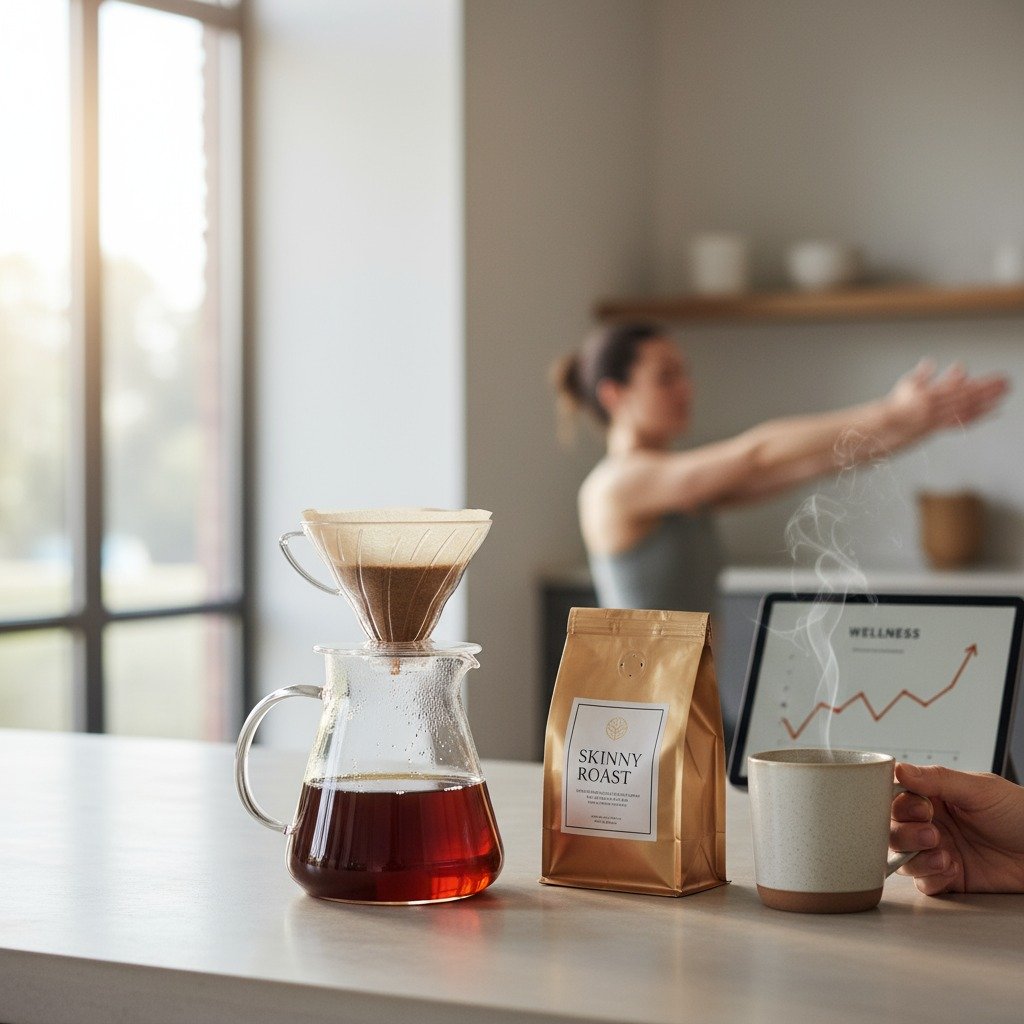
In cafés and kitchens around the world, a new coffee trend has been steadily gaining attention — the skinny roast. At first glance, the phrase might sound like a diet drink or a low-calorie latte, but at its core, this roast is about celebrating balance, flavor, and a lighter touch in coffee. A skinny roast is crafted to bring out a smooth, clean taste without the bitterness that often defines darker roasts. It appeals to coffee lovers who want a beverage that feels fresh, easy to drink, and perhaps even a little healthier.
The term “skinny roast” finds its roots in modern café culture, where words like “skinny” have come to imply light, simple, and uncomplicated. It’s not just about calories; it’s about how the beans are roasted and how that affects the final flavor. As more people become curious about what goes into their cup, drinkers are exploring roasts that deliver both enjoyment and a sense of wellbeing.
The popularity of skinny roast coffee reflects a broader shift in how people approach their daily brew. With growing interest in clean eating, low-fat alternatives, and natural ingredients, many coffee fans are turning toward lighter, more transparent roasts. These coffees feel approachable, less heavy on the palate, yet still satisfy the craving for an energizing cup. The skinny roast fits neatly into the lifestyle of those who want coffee that complements balance — not excess.
What Exactly Is A Skinny Roast
To understand the skinny roast, it helps to start with how coffee beans are roasted in general. Coffee begins as a green seed inside a cherry. Roasting transforms it from grassy and dense to aromatic and flavorful. A skinny roast takes this process slightly less far than traditional medium or dark roasts, keeping more of the bean’s natural character intact.
Unlike dark roasts, which spend more time in high heat and develop strong, smoky flavors, a skinny roast is lightly roasted to preserve the delicate sugars and natural oils inside. The result is a coffee that’s bright, mild, and pleasantly light-bodied. It’s about showcasing the bean’s original flavor rather than covering it with the roasted taste of carbonization.
Some people confuse the term “skinny roast” with “blonde roast” or think it refers to low-fat coffee. While similar, a skinny roast is a touch different — it focuses on both the style of roasting and the intention behind it. It’s often associated with a minimalist approach: fewer additives, no heavy syrups, and pure, roasted simplicity.
Common myths surround the idea too. One misconception is that skinny roast contains less caffeine because it’s lighter in color. In fact, lighter roasts often retain slightly more caffeine than darker ones, since high heat breaks down caffeine molecules. Another myth is that light roasts lack depth of flavor; however, skinny roast coffees can deliver vibrant fruit, honey, or floral notes that are lost in darker varieties.
The Flavor Profile And Brewing Characteristics
At the heart of every coffee trend lies the sensory experience, and skinny roast has a distinct personality. Its flavor profile leans toward crisp, smooth, and sometimes slightly sweet tones. You may find notes of almond, citrus, or caramel depending on the origin of the beans. The lighter roast level allows natural acids to shine through, lending brightness without sourness.
The aroma is often more nuanced than heavy — think fresh morning air rather than burnt toast. The mouthfeel tends to be light but satisfying, giving room for subtle aftertastes to unfold. Skinny roast coffee doesn’t shout with intensity; it speaks softly with clarity. That elegance is one reason baristas and home brewers have embraced it so warmly.
From a brewing perspective, skinny roast performs well in pour-over methods that highlight clarity, such as Chemex or V60. These techniques allow water to flow evenly and extract just the right amount of flavor. Espresso lovers also appreciate skinny roast for its balanced crema and gentle brightness. Unlike dark roasts, which can taste harsh when over-extracted, a skinny roast remains forgiving, retaining a clean finish even when brewed slightly strong.
Baristas love its flexibility. It pairs beautifully with plant-based milks and delivers consistent flavor whether consumed black or with a hint of sweetness. The result: a brew that feels effortless but sophisticated — approachable enough for beginners, yet rewarding for serious coffee fans.
Health And Nutrition Insights Of Skinny Roast
While coffee itself is naturally low in calories, the way beans are roasted and processed can influence the chemical composition of the brew. Skinny roast stands out in this respect. Because it’s roasted for a shorter duration and at a slightly lower temperature, more antioxidants can remain intact. These include compounds like chlorogenic acids, which are associated with metabolism and general wellness.
Skinny roast also fits neatly into modern ideas of mindful consumption. Many people use the word “skinny” not to mean restrictive but cleaner — fewer extras, less sugar, less artificial cream. In that sense, enjoying a skinny roast often means savoring coffee in its most natural state.
The lighter roast level can also lead to higher perceived caffeine content and livelier flavor. While the calorie difference between roast types is minimal, the freshness and higher retention of compounds in a skinny roast sometimes make drinkers feel more alert without consuming more cups.
For those watching nutritional balance, skinny roast offers gentle benefits. It’s easy to drink black or with a splash of milk, avoiding the heavy syrups and whipped toppings that can turn a simple coffee into a dessert. A cup of plain skinny roast aligns with the wellness trend of keeping daily habits light, refreshing, and uncomplicated.
To keep the cup satisfying, it helps to use freshly ground beans and proper brewing ratios — roughly one to two tablespoons of grounds per six ounces of water. You’ll enjoy the flavor’s natural smoothness without needing extra cream or sugar.
How To Brew The Perfect Skinny Roast At Home
One of the joys of the skinny roast is how approachable it is for home brewing. You don’t need special equipment or professional skills — just good beans and a little attention to detail. The key is to highlight the roast’s natural smoothness without over-extraction.
For most coffee lovers, pour-over or drip brewing works beautifully. These methods allow the water to move slowly through the grounds, extracting clean and balanced flavors. Use filtered water, moderately fine grind, and water just off the boil — around 92–96°C (197–205°F). This temperature range ensures you bring out the sweetness without scorching the delicate notes.
Espresso machines can also create magic with skinny roast beans, though they require a bit more finesse. Because this roast is less oily, it can produce lighter crema and a brighter espresso shot. The payoff is a refreshing taste without bitterness — perfect for an afternoon pick-me-up.
Choosing the right beans matters. Look for single-origin or lightly roasted blends with a clear description of tasting notes. Beans grown at higher altitudes often yield the crispness that skinny roast enthusiasts love. A medium-fine grind tends to balance extraction, keeping the cup lively rather than flat.
Avoid common mistakes such as using boiling water directly on the grounds, oversteeping, or leaving brewed coffee on a hot plate for too long. These errors can create bitterness that drowns out the delicate character that defines the skinny roast experience.
Comparing Skinny Roast To Other Roast Types
To fully appreciate what makes skinny roast special, it helps to see how it stacks against more familiar roast levels. Compared to blonde roast, skinny roast is similar but usually even lighter, aiming for subtlety rather than bold brightness. Its color is delicate golden-brown rather than deep tan.
Medium roast coffees provide a rounder flavor with more caramelization. They’re loved for balance, yet they lose some of the lively acidity found in a skinny roast. Dark roasts, on the other hand, are characterized by smoky and bitter flavors. While many fans enjoy their intensity, the roasting process here has little to do with the bean’s origin — it’s dominated by the roast itself.
In taste tests, skinny roasts are often described as “clean” and “modern,” while darker roasts feel “robust” and “classic.” The difference in mouthfeel is also noticeable: skinny roast is lighter and more tea-like; darker roasts are thicker and more coating on the palate.
Caffeine content differs slightly, as light roasts like skinny roast generally retain a bit more caffeine by volume. That gives coffee drinkers a gentler, natural lift without the heaviness of a deeply roasted brew. For those watching digestion or acidity levels, skinny roast tends to be easier on the stomach because its shorter roast time preserves smoother acids rather than heavy smoky compounds.
Ultimately, the ideal roast depends on personality. Adventurers who enjoy discovering new flavor complexities are drawn to skinny roast, while traditionalists prefer the sturdy comfort of medium or dark. Knowing the distinction helps people expand their appreciation rather than think of one as “better” — it’s simply a matter of taste and lifestyle alignment.
The Rise Of Skinny Roast In Modern Coffee Culture
Every new coffee movement reflects a change in how people live, and the rise of skinny roast is no different. Over the last few years, consumers have embraced lighter, less processed products across all categories: food, drinks, even beauty. The skinny roast mirrors this cultural shift — it embodies transparency, mindfulness, and an appreciation of subtle detail.
Cafés and major coffee chains now proudly feature lighter roasts and minimalist menus, sometimes labeling their offerings as “skinny,” “clean,” or “pure.” This trend resonates with customers seeking a break from overly sweetened drinks. It’s the coffee equivalent of the farm-to-table movement — about authenticity rather than embellishment.
Social media has helped amplify the appeal. Posts showcasing bright cups of skinny roast beside tranquil morning setups have become a microtrend in wellness and productivity spaces online. Influencers often highlight the brew as part of balanced living — coffee that energizes but doesn’t overwhelm.
Behind the aesthetic appeal lies a smarter kind of consumer interest. The 2025 Google Helpful Content algorithm, which prioritizes authentic expertise and user-centered writing, rewards this kind of organic approach. Readers searching for “skinny roast” aren’t looking for marketing fluff; they want real guidance, approachable knowledge, and trustworthy information. The rise of this trend shows how genuine experiences and shared coffee culture now drive both online visibility and consumer preferences.
Baristas also note that skinny roast aligns neatly with the sustainability movement. Lighter roasting consumes slightly less energy than darker stages, and many roasters experiment with small-batch methods that reduce waste. In a sense, skinny roast coffee stands not just for a flavor style but a mindset — one that values restraint, respect for ingredients, and clarity of taste.
Conclusion
The story of the skinny roast isn’t just about a change in roast level. It represents the evolution of how we connect with coffee — and, perhaps, with ourselves. Skinny roast coffee brings simplicity back to the ritual of brewing, offering flavor that’s vivid but never overpowering, healthful but never restrictive.
We’ve seen how it differs from other roast types, how its lighter profile can preserve antioxidants, and why it fits perfectly in the modern push for clean, mindful living. Whether you love the brightness of fruity notes or prefer the soft roundness of honey-like sweetness, skinny roast invites you to experience coffee in its purest form.
What makes this movement meaningful is its focus on balance. It’s not anti-dark roast or opposed to indulgence — it simply widens the coffee spectrum. Drinking a skinny roast is like listening to a quiet yet confident melody amid a world of noise.
So the next time you brew at home or order at your favorite café, consider tasting what the skinny roast has to offer. Somewhere between simplicity and sophistication, you may find a new favorite cup that embodies the modern spirit of coffee — thoughtful, flavorful, and refreshingly light.
FAQ’s:
What Does “Skinny Roast” Mean In Coffee?
A skinny roastrefers to a lighter style of coffee roasting that produces a smooth, clean flavor without the bitterness of darker roasts. It highlights the bean’s natural taste and often pairs well with minimal or no extra ingredients.
Is Skinny Roast Coffee The Same As Blonde Roast?
Not exactly. Blonde roast is a general light roast category, while skinny roast focuses on creating a lighter, health-conscious brew experience. It’s about both the roast level andthe simpler, balanced approach to coffee preparation.
Does Skinny Roast Have Less Caffeine?
Surprisingly, no. Lighter roasts like skinny roast often retain slightly more caffeine than dark roasts because the shorter roasting time keeps more of the natural caffeine intact.
Why Is Skinny Roast Considered Healthier?
Skinny roast is roasted gently, preserving antioxidants that may diminish at higher roasting temperatures. It’s also naturally low in calories when enjoyed black or with minimal milk, fitting modern “clean coffee” habits.
What Does Skinny Roast Taste Like?
It tastes light, smooth, and subtly sweet, with gentle notes that depend on the coffee’s origin — for example, citrus, caramel, or floral hints. The mouthfeel is crisp rather than heavy.
Hungry for more? Head over to my website for fresh articles.
7 Thoughtful Ways To Say ‘Thank You For Coming To My Party’ And Make Guests Feel Appreciated
Disclaimer:
This article is for general informational purposes only and does not replace professional nutrition, health, or dietary advice. Coffee experiences and effects can vary based on individual tolerance and preparation methods. Always consult a qualified professional if you have health-related questions about caffeine or coffee consumption.
